




การจัดการวงจรชีวิตชิ้นส่วนอิเล็กทรอนิกส์: ตั้งแต่การออกแบบจนถึงการสิ้นสุดการใช้งาน
การล้าสมัยของชิ้นส่วนทําให้ผู้ผลิตต้องเสียค่าใช้จ่ายในการออกแบบใหม่และความขัดข้องในการผลิตถึง 10 พันล้านดอลลาร์ต่อปี ประกาศ EOL เพียงครั้งเดียวบนวงจร IC ที่สําคัญสามารถส่งผลกระทบต่อสายผลิตภัณฑ์และการปฏิบัติตามกฎระเบียบ คู่มือนี้ให้กลยุทธ์การจัดการวงจรชีวิต วิธีการตรวจสอบ PCN และแนวทางการลดความล้าสมัยที่ปกป้องความต่อเนื่องของการผลิตตั้งแต่การออกแบบจนถึงสิ้นสุดอายุการใช้งาน
ที่ Hitop Tech Limited บริการจัดการวงจรชีวิตผลิตภัณฑ์ ของเราติดตามความพร้อมใช้งานของชิ้นส่วนในรายการ BOM ของคุณ พร้อมให้คําเตือน EOL ล่วงหน้าและทางเลือกที่ผ่านการรับรองก่อนเกิดความขัดข้อง
สารบัญ
- [ความเข้าใจขั้นตอนวงจรชีวิตของส่วนประกอบ] (#lifecycle ขั้นตอน)
- [ระยะออกแบบ: ความต้านทานการล้าสมัยของอาคาร] (#design-in-phase)
- [การผลิตที่กําลังดําเนินการ: ระบบตรวจสอบและเตือนภัยล่วงหน้า PCN] (การผลิต #active)
- [กลยุทธ์การตอบสนอง NRND และ EOL] (#nrnd-eol-response)
- [กรอบการตัดสินใจซื้อครั้งสุดท้าย] (#last-time-buy)
- [การออกแบบใหม่กับการประเมินส่วนประกอบทางเลือก] (การประเมิน #redesign)
- คําถามที่พบบ่อย
- บทสรุป
1. ทําความเข้าใจขั้นตอนวงจรชีวิตของส่วนประกอบ
ชิ้นส่วนอิเล็กทรอนิกส์มีวงจรชีวิตที่คาดการณ์ได้ซึ่งกินเวลาประมาณ 10-15 ปีตั้งแต่เริ่มใช้งานจนถึงหมดอายุ แม้ว่าผลิตภัณฑ์ที่รวมชิ้นส่วนเหล่านี้มักต้องการระยะเวลาการสนับสนุน 20-30 ปี วงจรชีวิตมาตรฐานดําเนินผ่าน 6 ระยะ ได้แก่ การเปิดตัว การเติบโต ความสมบูรณ์ การลดลง (NRND) การเลิกใช้งาน (EOL) และการล้าสมัย
| ช่วงวงจรชีวิต | ระยะเวลา | ความพร้อมให้บริการ | ระดับความเสี่ยง | การดําเนินการที่จําเป็น |
|---|---|---|---|---|
| บทนํา | 1–2 ปี | การจัดสรรที่จํากัดและเป็นไปได้ | ขนาดกลาง | ตรวจสอบแหล่งกําเนิดหลายแหล่ง ตรวจสอบผลผลิต |
| การเติบโต | 2–4 ปี | ระยะเวลาการผลิตที่ขยายตัวและมั่นคง | ต่ํา | ล็อกราคา ตั้งการคาดการณ์ |
| ความสมบูรณ์ | 5–10 ปี | ราคาที่มากมายและแข่งขันได้ | ต่ํามาก | การจัดซื้อมาตรฐาน, การเพิ่มประสิทธิภาพต้นทุน |
| การเสื่อมถอย (NRND) | 1–3 ปี | ลดลง ระยะเวลาการผลิตยาวนานขึ้น | กลาง–สูง | ระบุทางเลือก ประเมินความต้องการในการออกแบบใหม่ |
| การเลิกใช้ (EOL) | 6–12 เดือน | ช่วงเวลาซื้อครั้งล่าสุด | สูง | ดําเนินการซื้อขั้นสุดท้ายหรือออกแบบใหม่ |
| ล้าสมัย | ไม่มีกําหนด | เฉพาะสินค้าหลังการขาย ความเสี่ยงต่อสินค้าปลอม | วิจารณ์ | การจัดหานายหน้าที่ได้รับอนุญาต การออกแบบใหม่โดยบังคับ |
พลวัตตลาดในปี 2026 ล่าสุดแสดงให้เห็นถึงการล้าสมัยที่เร่งตัวขึ้น เมื่อโรงหล่อผลิตกําลังการผลิตถูกย้ายไปใช้โปรเซสเซอร์ AI ส่วนประกอบที่คาดว่าจะใช้งานได้ 15+ ปี ตอนนี้ได้รับการแจ้งเตือน NRND หลังจาก 8-10 ปี ซึ่งบีบหน้าต่างการตอบสนองอย่างมาก
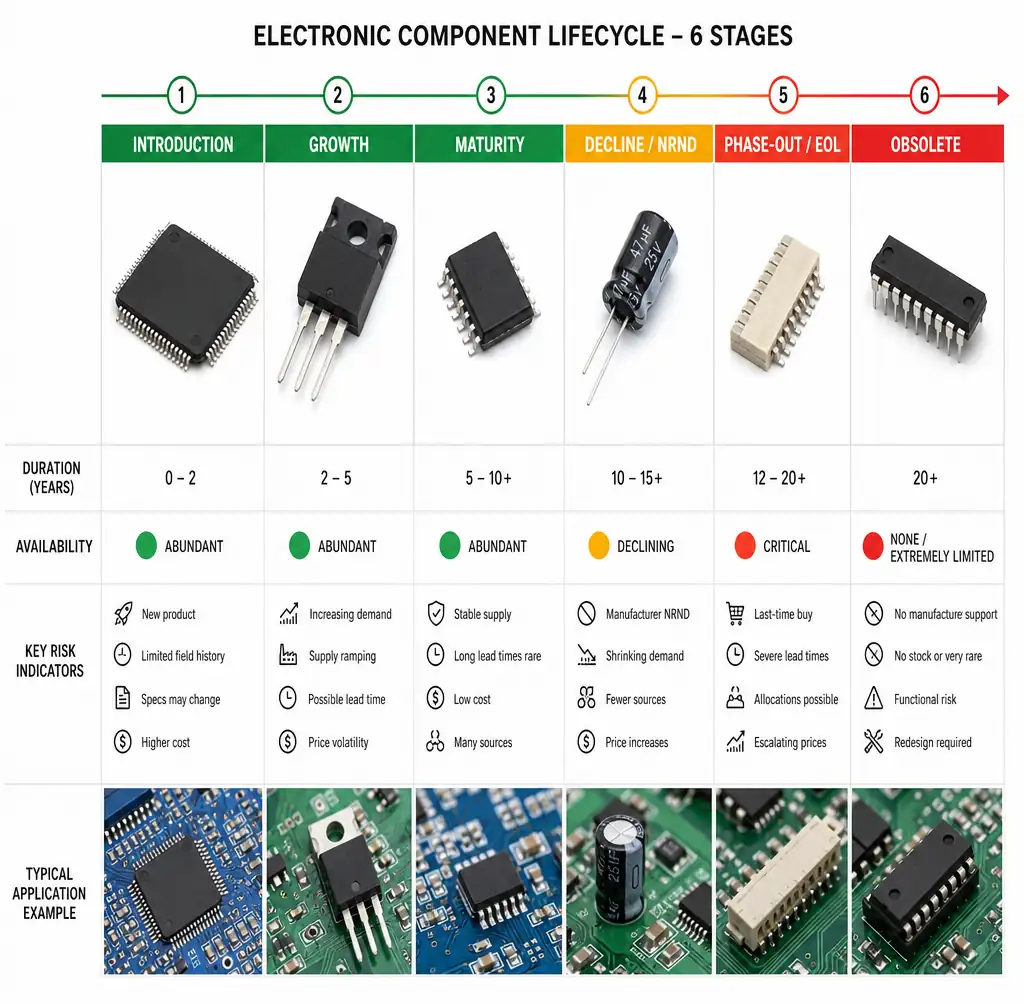 ขั้นตอนวงจรชีวิตของชิ้นส่วนอิเล็กทรอนิกส์ตั้งแต่การแนะนําจนถึงการล้าสมัย
2. ขั้นตอนการออกแบบ: ความต้านทานการล้าสมัยของอาคาร
การจัดการความล้าสมัยที่คุ้มค่าที่สุดเกิดขึ้นระหว่างการเลือกส่วนประกอบ การตัดสินใจออกแบบจะกําหนดการสัมผัสตลอดอายุการใช้งาน 10-20 ปี
ให้ความสําคัญกับส่วนประกอบในช่วงที่อายุการใช้งานสมบูรณ์ (3-8 ปีหลังจากการแนะนํา) สิ่งเหล่านี้ให้ความน่าเชื่อถือที่พิสูจน์แล้ว ราคาคงที่ และพร้อมใช้งานหลายปี หลีกเลี่ยงส่วนประกอบในช่วงเริ่มต้น เว้นแต่ประสิทธิภาพจะบังคับให้ใช้เทคโนโลยีล้ําสมัย
กลยุทธ์การออกแบบหลายแหล่ง
ออกแบบให้สามารถเปลี่ยนกันได้เมื่อความคลาดเคลื่อนอนุญาต ทางเลือกที่รองรับพินจากผู้ผลิตหลายรายเป็นทางเลือกสํารองเมื่อแหล่งข่าวหลักประกาศหมดอายุการใช้งาน สําหรับไมโครคอนโทรลเลอร์ สถาปัตยกรรม ARM Cortex-M ช่วยให้สามารถย้ายผู้ขายได้โดยเปลี่ยนแปลงเฟิร์มแวร์น้อยที่สุด
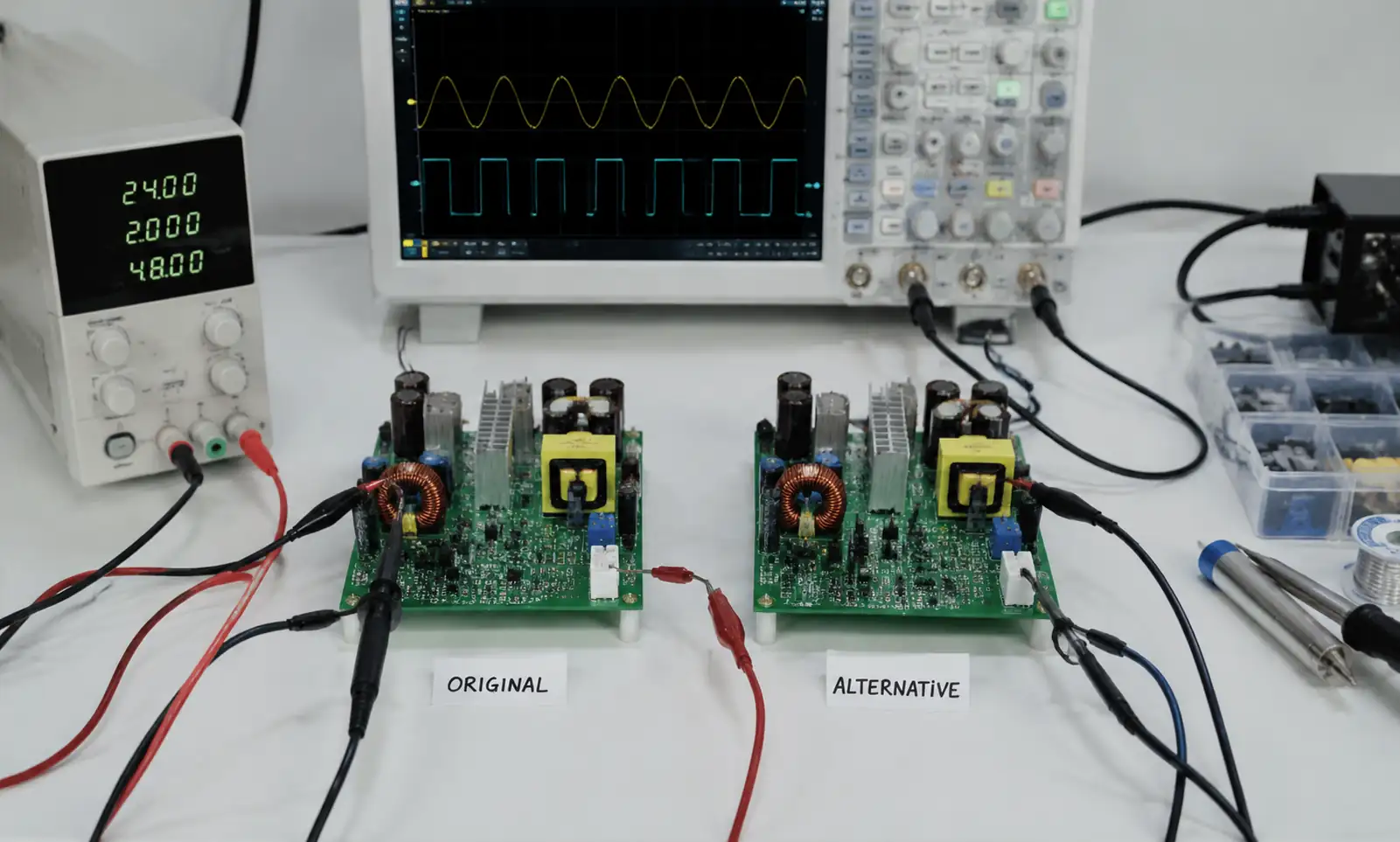
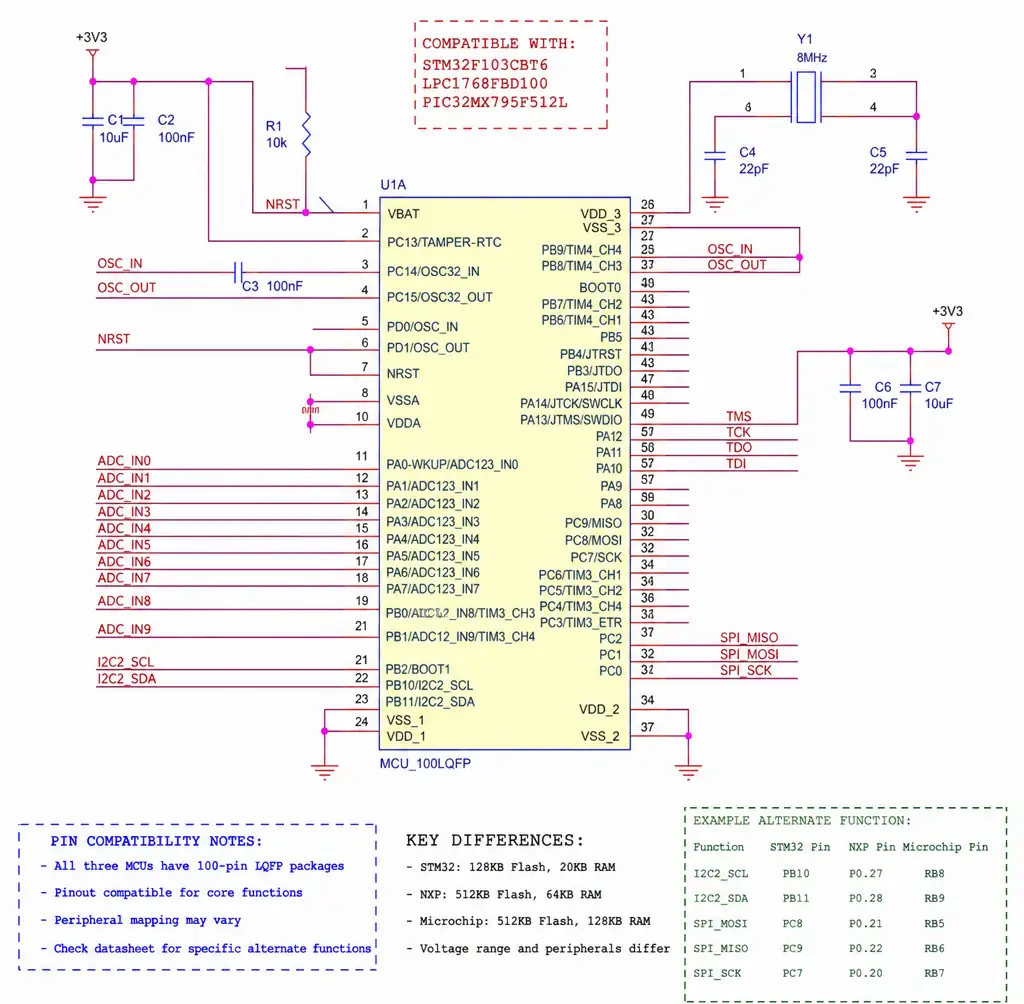 การออกแบบแผงวงจรพิมพ์แสดงขนาดชิ้นส่วนที่เข้ากันได้กับขาสําหรับกลยุทธ์หลายแหล่ง
ส่วนประกอบแบบพาสซีฟต้องการมาตรฐาน เลือกขนาดบรรจุภัณฑ์ที่ใช้กันทั่วไป (0402, 0603, 0805) และค่ามาตรฐานจากผู้ผลิตหลายรายเพื่อความพร้อมใช้งานในระยะยาว บรรจุภัณฑ์พิเศษและค่าความทนทานที่เข้มงวดมีอายุการใช้งานสั้นกว่า
| หมวดหมู่ชิ้นส่วน | แนวปฏิบัติที่ทนต่อการล้าสมัย | แนวปฏิบัติที่มีความเสี่ยงสูงที่ควรหลีกเลี่ยง |
|---|---|---|
| ไมโครคอนโทรลเลอร์ | สถาปัตยกรรมมาตรฐาน (ARM Cortex-M), สายผลิตภัณฑ์ที่พัฒนาแล้ว | คอร์เฉพาะ, รุ่นล่าสุด, การออกแบบซอร์สเดียว |
| การจัดการพลังงาน | พินเอาต์มาตรฐานอุตสาหกรรม, รางแรงดันไฟฟ้าทั่วไป | ASIC แบบกําหนดเอง, โซลูชันบูรณาการเฉพาะแอปพลิเคชัน |
| พาสซีฟ | แพ็กเกจมาตรฐาน (0603, 0805), ค่าชุด E24 | ขนาดแปลกใหม่, ความคลาดเคลื่อนที่เข้มงวด (<1%), ค่าที่ไม่ธรรมดา |
| ขั้วต่อ | มาตรฐานอุตสาหกรรม (USB, Ethernet, HDMI) | ขั้วต่อเฉพาะ, ระบบจากผู้จัดจําหน่ายรายเดียว |
การผสานรวมฐานข้อมูลตลอดวงจรชีวิต
เครื่องมือ EDA สมัยใหม่ผสานข้อมูลวงจรชีวิตแบบเรียลไทม์ในระหว่างการจับภาพแผนผังวงจร แพลตฟอร์มอย่าง Altium 365 และ SiliconExpert จะระบุว่าส่วนประกอบ NRND และ EOL มาก่อนการจัดวางแผงวงจร (PCB) ซึ่งจับความเสี่ยงเมื่อมีการเปลี่ยนแปลง ใช้เวลาเพียงไม่กี่นาทีแทนที่จะเป็นเดือน บันทึกส่วนประกอบทางเลือกในไฟล์ออกแบบระหว่างการพัฒนาเบื้องต้น บริการจัดซื้อของเรา(/procurement.html) ดูแลฐานข้อมูลทางเลือกที่ผ่านการรับรองล่วงหน้าในหมวดหมู่ทั่วไป
3. การผลิตที่ใช้งานอยู่: ระบบตรวจสอบและเตือนภัยล่วงหน้า PCN
การตรวจสอบ PCN อย่างเป็นระบบกลายเป็นการป้องกันหลักเมื่อผลิตภัณฑ์เข้าสู่การผลิต มาตรฐาน JEDEC J-STD-046 กําหนดให้ผู้ผลิตต้องออกประกาศการเปลี่ยนแปลงผลิตภัณฑ์อย่างน้อย 90 วันก่อนจัดส่งชิ้นส่วนที่ดัดแปลง แต่คุณภาพการแจ้งเตือนแตกต่างกันอย่างมาก
การตรวจสอบที่มีประสิทธิภาพต้องการการติดตามอัตโนมัติแทนการตรวจสอบอีเมลด้วยตนเอง แพลตฟอร์มวงจรชีวิตอย่าง Z2Data และ Source Intelligence ให้การสแกน BOM แบบเรียลไทม์ที่แจ้งเตือน PCN ที่มีผลต่อหมายเลขชิ้นส่วนเฉพาะภายใน 24 ชั่วโมงหลังจากประกาศจากผู้ผลิต
หมวดหมู่ PCN ที่สําคัญ
ไม่ใช่ทุก PCN จะมีความเสี่ยงเท่ากัน การเปลี่ยนแปลงรูปทรง-การประกอบฟังก์ชัน การย้ายสถานที่ผลิต และการเปลี่ยนแปลงวัสดุ จําเป็นต้องได้รับการประเมินทันทีและอาจได้รับการรับรองใหม่ การเปลี่ยนแปลงทางการบริหาร เช่น การแก้ไขแผ่นข้อมูลข้อมูล มักต้องการการอัปเดตเอกสารเท่านั้น
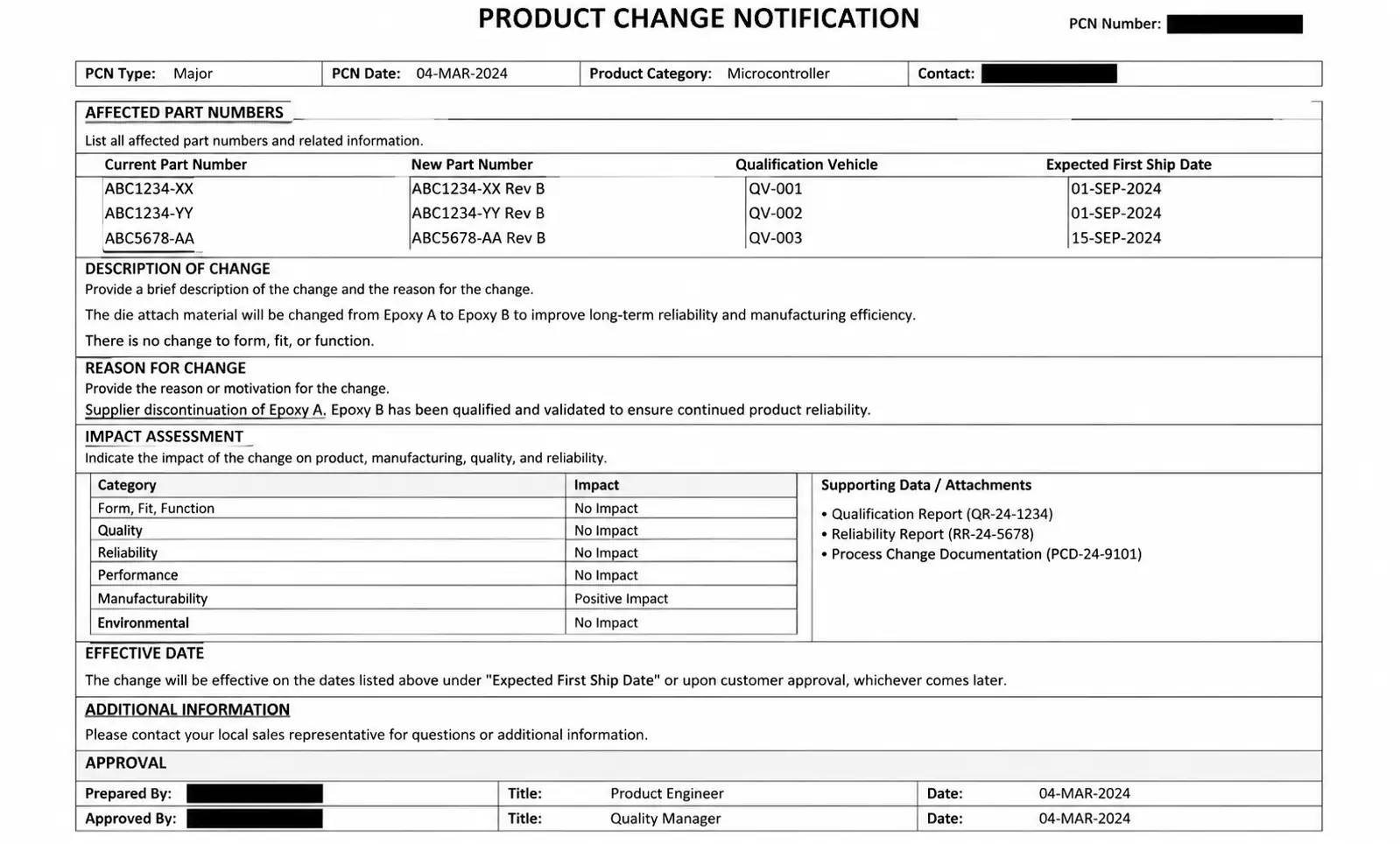
เอกสารแจ้งการเปลี่ยนแปลงผลิตภัณฑ์ที่แสดงรายละเอียดการเปลี่ยนแปลงชิ้นส่วนที่สําคัญ
สําหรับผู้ผลิตอุปกรณ์การแพทย์ภายใต้ ISO 13485 แม้แต่การเปลี่ยนแปลงชิ้นส่วนเล็กน้อยก็อาจต้องอัปเดตไฟล์ประวัติการออกแบบ ซัพพลายเออร์ยานยนต์ต้องประเมินว่า PCN มีผลกระทบต่อเอกสาร PPAP ภายใต้ IATF 16949 หรือไม่
| ประเภท PCN | ตัวอย่าง | ระดับความเสี่ยง | คําตอบที่จําเป็น |
|---|---|---|---|
| ฟังก์ชันฟิตฟิต | การกําหนดค่าขา, สเปกไฟฟ้า, ขนาดบรรจุภัณฑ์ | สูง | การตรวจสอบคุณสมบัติใหม่เต็มรูปแบบ, การตรวจสอบการออกแบบ, การแจ้งเตือนลูกค้า |
| การเปลี่ยนแปลงด้านการผลิต | การถ่ายโอนการผลิต, การเปลี่ยนโหนดกระบวนการ, การหดแม่พิมพ์ | ระดับกลาง-สูง | การทดสอบความน่าเชื่อถือ, การตรวจสอบคุณสมบัติล็อต |
| การเปลี่ยนแปลงวัสดุ | การเปลี่ยนผ่านแบบไร้ตะกั่ว, สารประกอบแม่พิมพ์, วัสดุรองรับ | ขนาดกลาง | เอกสารการปฏิบัติตามข้อกําหนด การประเมินความน่าเชื่อถือ |
| ฝ่ายบริหาร | อัปเดตแผ่นข้อมูล การทําเครื่องหมายชิ้นส่วน ฉลากบรรจุภัณฑ์ | ต่ํา | อัปเดตเอกสาร ไม่ต้องทดสอบ |
สัญญาณเตือนภัยล่วงหน้า
ประกาศสิ้นสุดอย่างเป็นทางการเป็นขั้นตอนสุดท้ายของวงจรชีวิต สัญญาณรุ่นก่อนให้ช่วงเวลาตอบสนองที่ยาวนานขึ้น ติดตามคู่มือผลิตภัณฑ์ของผู้ผลิตสําหรับการระบุ NRND ซึ่งมักจะเกิดขึ้นก่อนหมดอายุ (EOL) ประมาณ 12-36 เดือน การขยายเวลานําส่งจาก 8 สัปดาห์เป็น 16+ สัปดาห์ มักบ่งชี้ถึงการผลิตที่จํากัด ซึ่งเป็นสัญญาณเตือนการยุติการผลิต
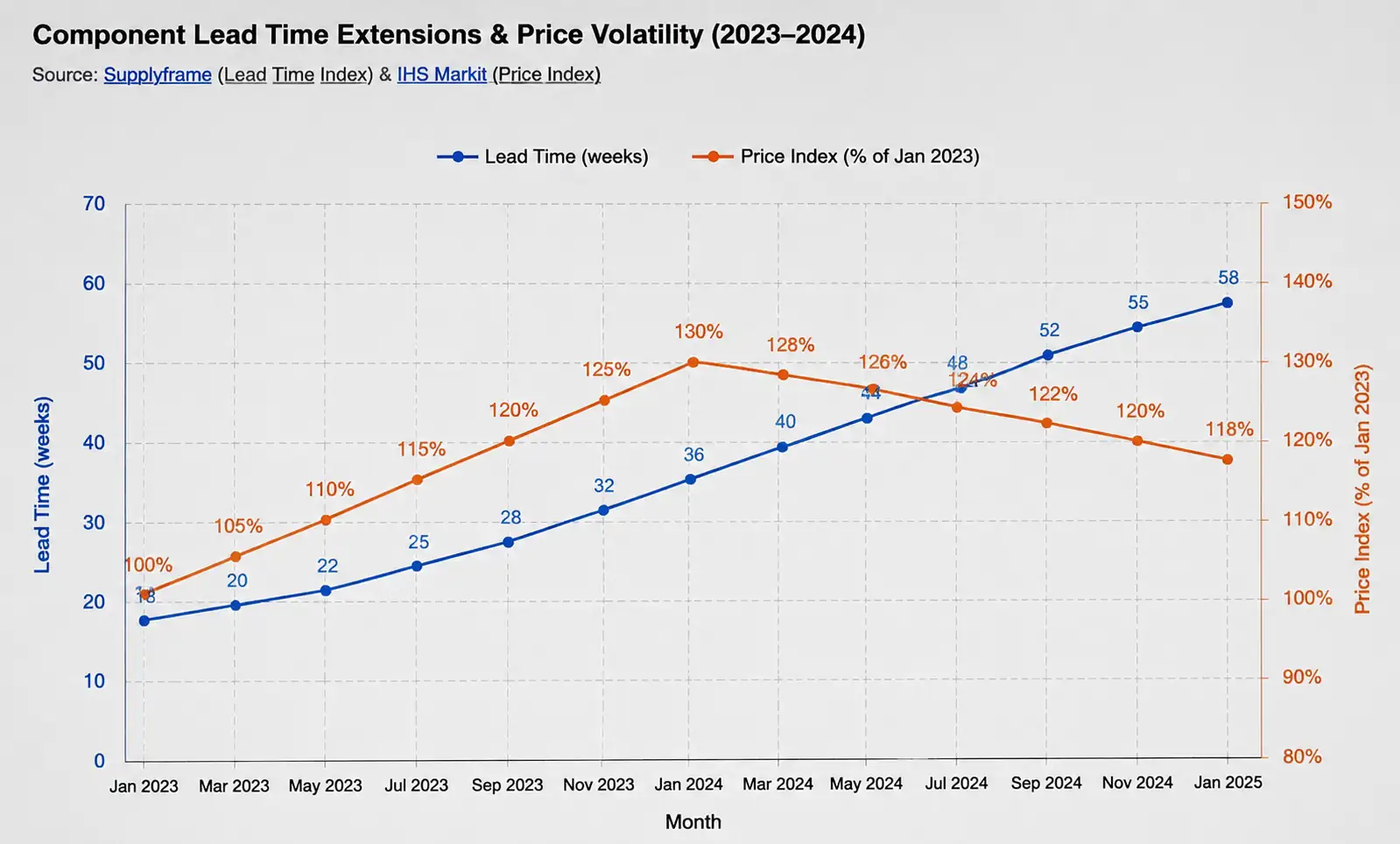 กราฟแสดงระยะเวลาการผลิตและแนวโน้มราคาของชิ้นส่วนที่บ่งชี้ถึงการล้าสมัย
ส่วนประกอบที่แสดงการเพิ่มขึ้นของราคา 30%+ ในผู้จัดจําหน่ายภายในไตรมาสหนึ่ง เป็นการตรวจสอบความน่าเชื่อถือสําหรับการจัดสรรหรือการลดลงของการผลิต การประกาศผลประกอบการของผู้ผลิตมักคาดการณ์คลื่น EOL ที่กําลังจะมาถึงล่วงหน้าหลายเดือนก่อนการออก PCN อย่างเป็นทางการ
4. กลยุทธ์การตอบสนอง NRND และ EOL
การได้รับการรับรอง NRND (ไม่แนะนําสําหรับการออกแบบใหม่) เป็นสัญลักษณ์ของการเปลี่ยนผ่านจากความสมบูรณ์ไปสู่การเสื่อมถอย ผู้ผลิตยังคงผลิตต่อไปแต่ส่งสัญญาณว่าใกล้หมดอายุการใช้งาน ซึ่งให้เวลาวางแผนที่สําคัญ—โดยปกติ 12-36 เดือนก่อนวันหมดอายุอย่างเป็นทางการ
เมื่อได้รับแจ้ง NRND ให้ประเมินระยะเวลาการผลิตผลิตภัณฑ์ทันที ผลิตภัณฑ์ที่เหลือ 12-24 เดือนมักจะรอสต็อกได้จนกว่าจะถึงเวลาปรับสดชื่นตามธรรมชาติ ผลิตภัณฑ์ที่ต้องผลิตต่อเนื่อง 3+ ปี ต้องการคุณสมบัติเชิงรุกหรือการออกแบบใหม่
กรอบการคัดกรอง
จัดลําดับความสําคัญของการตอบสนองตามความสําคัญของชิ้นส่วน ปริมาณการผลิต และความซับซ้อนของการรับรองคุณสมบัติ ASIC และ FPGA แบบกําหนดเองต้องการความสนใจทันทีเนื่องจากข้อจํากัดของแหล่งเดียว พาสซีฟมาตรฐานและ IC ทั่วไปมักมีทางเลือกมากมายที่ต้องการการตรวจสอบน้อยมาก
คํานวณความต้องการตลอดอายุการใช้งานทั้งหมดก่อนตัดสินใจเลือกทางเลือกหรือออกแบบใหม่ คูณปีการผลิตที่เหลือกับการบริโภคประจําปี เพิ่มความต้องการอะไหล่บริการ (10-15% ของปริมาณการผลิต) และการสูญเสียผลผลิตปัจจัยการผลิต (3-5% สําหรับการประกอบ SMT)
| สถานการณ์ | การผลิตที่เหลืออยู่ | ประเภทชิ้นส่วน | กลยุทธ์ที่แนะนํา | ไทม์ไลน์ |
|---|---|---|---|---|
| ผลิตภัณฑ์บ่มปริมาณต่ํา | <2 ปี | ส่วนประกอบมาตรฐาน | ซื้อครั้งล่าสุด รอสต็อกไปได้ | 3-6 เดือน |
| ผลิตภัณฑ์ปัจจุบันปริมาณสูง | 3-5 ปี | IC สินค้าทั่วไป | ทางเลือกแบบ Qualiify แบบไม่ต้องมาก่อน | 6-9 เดือน |
| ระบบอุตสาหกรรมที่มีอายุการใช้งานยาวนาน | อายุ 5-10+ ปี | เซมิคอนดักเตอร์กําลัง | เริ่มต้นการออกแบบใหม่จากหลายแหล่ง | 12-18 เดือน |
| การใช้งานที่มีความสําคัญต่อความปลอดภัย | ตัวแปร | ไมโครคอนโทรลเลอร์ | ออกแบบใหม่ด้วยชิ้นส่วนรุ่นปัจจุบัน | 18-24 เดือน |
คุณสมบัติชิ้นส่วนทางเลือก
เครื่องทดแทนแบบติดตั้งได้ช่วยให้ผลิตได้เร็วที่สุด ทางเลือกที่เข้ากันได้กับขาจริงจะรักษาลักษณะทางไฟฟ้าและขนาดบรรจุภัณฑ์เหมือนกัน โดยต้องเปลี่ยนเฉพาะการจัดหาเท่านั้น ตรวจสอบความเหมาะสมทางกล ยืนยันการทับซ้อนของพารามิเตอร์ไฟฟ้าในช่วงอุณหภูมิ และดําเนินการทดลองผลิตในจํานวนจํากัด (100-500 หน่วย) ก่อนเปลี่ยนไปใช้เต็มรูปแบบ
5. กรอบการตัดสินใจซื้อครั้งสุดท้าย
ประกาศสิ้นสุดการผลิตจะทําให้เกิดช่วงเวลาการซื้อครั้งสุดท้าย—โดยปกติ 6-12 เดือน—ซึ่งเป็นโอกาสสุดท้ายสําหรับการจัดซื้อโดยตรงจากผู้ผลิต การตัดสินใจเหล่านี้เกี่ยวข้องกับการแลกเปลี่ยนที่ซับซ้อนระหว่างการลงทุนในสินค้าคงคลัง ต้นทุนการเก็บรักษา ความเสี่ยงจากความล้าสมัย และความพร้อมใช้งานทางเลือก
 กราฟแสดงระยะเวลาการผลิตและแนวโน้มราคาของชิ้นส่วนที่บ่งชี้ถึงการล้าสมัย
คํานวณปริมาณคําสั่งซื้อทางเศรษฐกิจโดยเปรียบเทียบต้นทุนการถือครองสินค้าคงคลังกับเบี้ยประกันหลังการขายในอนาคตและค่าใช้จ่ายในการออกแบบใหม่ ต้นทุนการขนส่งรวมถึงพื้นที่คลังสินค้า (5-15% ต่อปี), ประกันภัย, ความเสี่ยงจากสินค้าล้าสมัย และต้นทุนโอกาสลงทุน นํามาคํานวณกับราคาพิเศษ 50-200% สําหรับการจัดหาอะไหล่หลังการขาย และต้นทุนการออกแบบใหม่ $50K-$500K+
อินพุตการคํานวณที่สําคัญ
การพยากรณ์ความต้องการที่แม่นยําเป็นตัวกําหนดความสําเร็จหรือความล้มเหลว ขอการคาดการณ์ยอดขายจากฝ่ายบริหารผลิตภัณฑ์ ความแม่นยําในการคาดการณ์ย้อนหลังของปัจจัย (โดยทั่วไป 60-75% สําหรับระยะเวลา 2+ ปี) และเพิ่ม service spare buffer สําหรับผลิตภัณฑ์ที่มีเส้นโค้งการสลายตัวแบบเอ็กซ์โพเนนเชียล ให้ใช้แบบจําลองการบริโภคแบบลดลงแทนการฉายเชิงเส้น
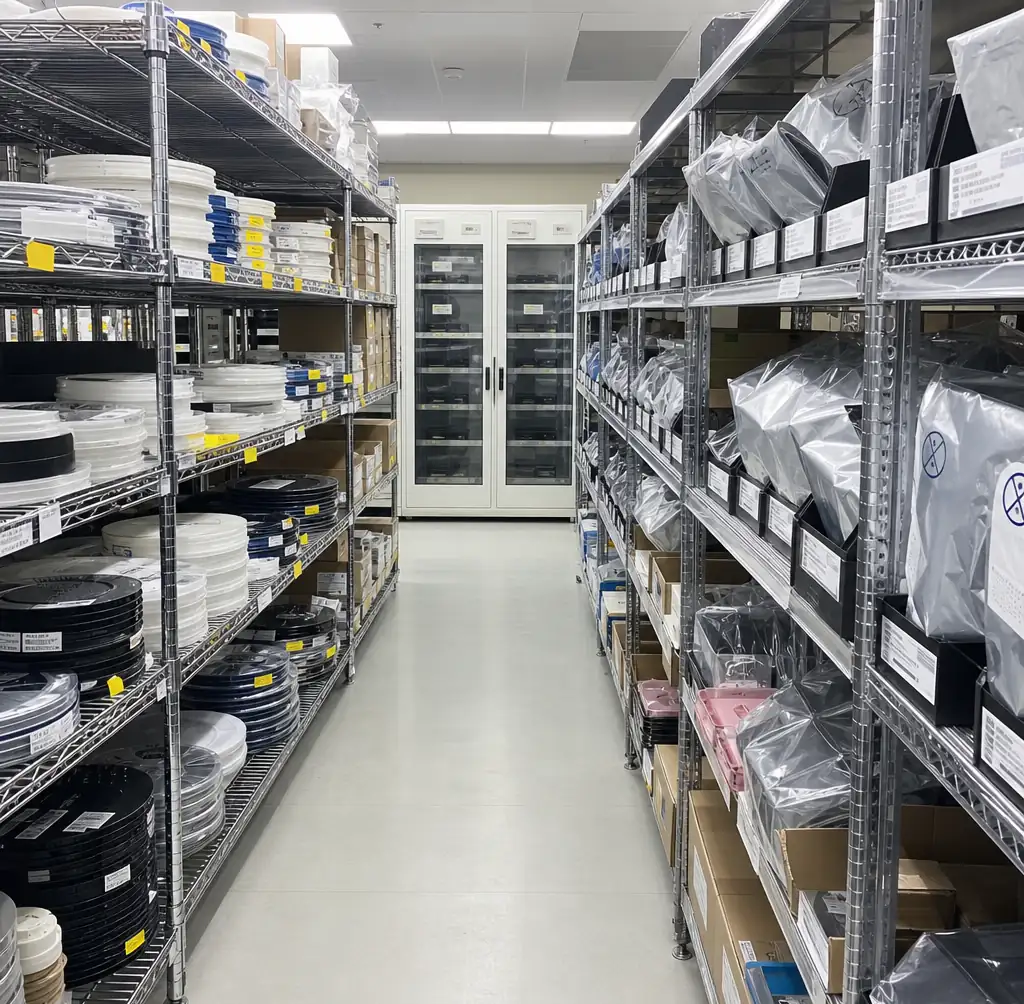 สถานที่เก็บชิ้นส่วนที่ควบคุมอุณหภูมิแสดงการจัดการสินค้าคงคลัง
อายุการใช้งานของชิ้นส่วนกําหนดข้อจํากัดทางกายภาพ อุปกรณ์ที่ไวต่อความชื้นต้องการการเก็บรักษาอย่างควบคุมและการอบเป็นระยะ ตัวเก็บประจุและแบตเตอรี่แบบอิเล็กโทรไลต์มีข้อจํากัดการเสื่อมสภาพโดยธรรมชาติ (5-10 ปี) นําข้อจํากัดเหล่านี้มาคํานวณในปริมาณการซื้อสูงสุด แม้ว่าการคาดการณ์ความต้องการจะสนับสนุนคําสั่งซื้อที่มากขึ้น
| ปัจจัย | วิธีการคํานวณ | ค่านิยมทั่วไป | ผลกระทบต่อปริมาณ LTB |
|---|---|---|---|
| ความแม่นยําในการพยากรณ์ | การวิเคราะห์ความแปรปรวนในอดีต | 60-75% เมื่ออายุ 2 ปี | ลดปริมาณด้วยส่วนต่างข้อผิดพลาด |
| อะไหล่บริการ | % ของปริมาณการผลิต | 10-15% | เพิ่มในข้อกําหนดการผลิต |
| ค่าจัดเก็บ | % ของมูลค่าชิ้นส่วนต่อปี | 5-15% | ลดปริมาณการสั่งซื้อที่คุ้มค่า |
| อายุการเก็บรักษา | ข้อมูลทางเทคนิค | อายุ 2-10 ปี | ฝาแข็งสําหรับปริมาณสูงสุด |
การซื้อโดยกลุ่มพันธมิตร
ผลิตภัณฑ์ที่มีปริมาณน้อยอาจไม่คุ้มค่ากับปริมาณขั้นต่ําในช่วง EOL — โดยปกติจะต้องสั่งซื้อขั้นต่ํา 5,000-10,000 หน่วย ประสานงานกับผู้ผลิตรายอื่นโดยใช้ชิ้นส่วนเดียวกันเพื่อรวมความต้องการ สมาคมอุตสาหกรรมและกลุ่มจัดซื้อที่จัดจําหน่ายช่วยให้สามารถเข้าร่วมโอกาสซื้อครั้งสุดท้ายที่ปกติไม่สามารถเข้าถึงได้ บริการรวมซัพพลายเออร์ของเรา(/supplierConsolidation.html) ประสานงานการจัดซื้อแบบกลุ่มลูกค้าข้ามฐานลูกค้า
6. การออกแบบใหม่กับการประเมินส่วนประกอบทางเลือก
เมื่อสินค้าคงคลังที่ซื้อครั้งล่าสุดไม่เพียงพอ หรือทางเลือกอื่นไม่สามารถรองรับการดรอปอินได้ การออกแบบบอร์ดใหม่จึงจําเป็น การตัดสินใจออกแบบใหม่จะสร้างสมดุลระหว่างต้นทุนวิศวกรรม ระยะเวลาการรับรอง และความเสี่ยงด้านความต่อเนื่องในการผลิต กับความพร้อมใช้งานและการปรับปรุงประสิทธิภาพในระยะยาว
การออกแบบใหม่เล็กน้อยช่วยแก้ปัญหาการล้าสมัยของชิ้นส่วนเดียว ในขณะที่ยังคงรักษาการจัดวางแผงวงจรไว้ การเปลี่ยนตัวควบคุมแรงดันไฟฟ้าที่เลิกผลิตแล้วเป็นตัวควบคุมแรงดันไฟฟ้ารุ่นเดียวกันที่มีเครือข่ายป้อนกลับที่ปรับแต่งแล้วถือเป็นขอบเขตทั่วไป งบประมาณ $15K-$50K สําหรับค่าวิศวกรรม และระยะเวลา 3-6 เดือน รวมถึงการสร้างต้นแบบและการตรวจสอบ
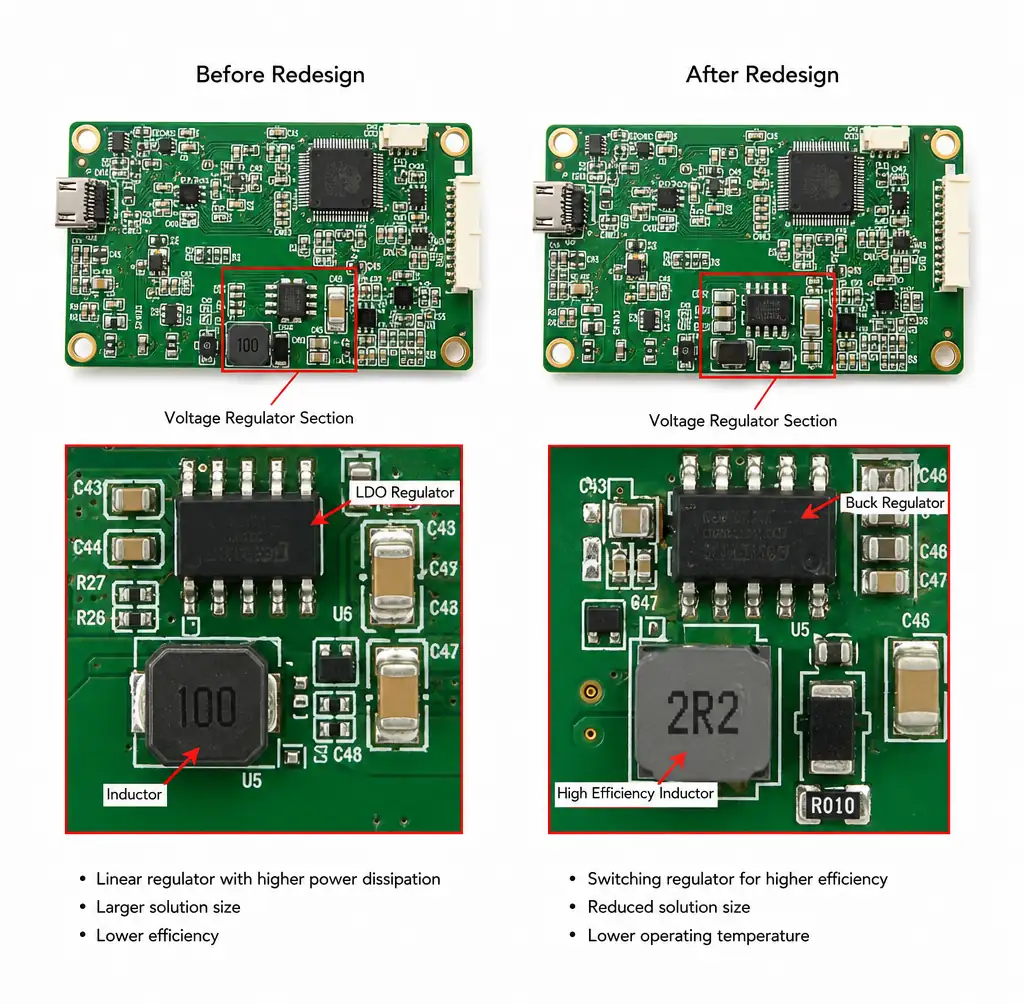 การเปรียบเทียบการจัดวางแผงวงจรแสดงการเปลี่ยนแปลงการออกแบบชิ้นส่วน
การออกแบบใหม่ครั้งใหญ่จะรีเฟรชหลายส่วนประกอบ โดยมักจะย้ายไปใช้ไมโครคอนโทรลเลอร์หรือสถาปัตยกรรมพลังงานรุ่นปัจจุบัน สิ่งเหล่านี้สมเหตุสมผลกับต้นทุนเมื่อหลายส่วนประกอบเผชิญกับความล้าสมัยพร้อมกัน หรือเมื่อสถาปัตยกรรมปัจจุบันจํากัดการขยายประสิทธิภาพ คาดว่าจะมีค่าใช้จ่ายประมาณ $100K-$500K และระยะเวลา 9-18 เดือน รวมถึงการย้ายเฟิร์มแวร์และการทดสอบความสอดคล้องใหม่
การประเมินผลกระทบด้านกฎระเบียบ
การออกแบบใหม่ที่ส่งผลต่อผลิตภัณฑ์ที่มีความสําคัญต่อความปลอดภัยหรือผลิตภัณฑ์ที่อยู่ภายใต้การควบคุมจะทําให้เกิดการตรวจสอบความสอดคล้อง อุปกรณ์ทางการแพทย์ต้องการการอัปเดตประวัติการออกแบบและอาจมีการส่งเอกสารกฎระเบียบใหม่ๆ อิเล็กทรอนิกส์ยานยนต์ต้องเผชิญกับข้อกําหนดการจัดการการเปลี่ยนแปลง IATF 16949 และข้อกําหนด PPAP เฉพาะของลูกค้า คิดเป็นระยะเวลา 6-12 เดือนสําหรับรอบการรับรองรถยนต์ในกรอบเวลาการออกแบบใหม่
| ขอบเขตการออกแบบใหม่ | ต้นทุนทั่วไป | ไทม์ไลน์ | ควรใช้เมื่อ |
|---|---|---|---|
| สลับชิ้นส่วนเดียว | $5K-$15K | 2-3 เดือน | ทางเลือกแบบ drop-in มีให้ มีผลกระทบด้านกฎระเบียบต่ํา |
| การปรับปรุงส่วนของวงจร | $15K-$50K | 3-6 เดือน | ความเทียบเท่าทางหน้าที่ต้องการการเปลี่ยนแปลงการออกแบบ |
| รีเฟรชแพลตฟอร์ม | $100K-$500K | 9-18 เดือน | ปัญหาความล้าสมัยหลายรายการ โอกาสในการอัปเกรดประสิทธิภาพ |
| ออกแบบใหม่ทั้งหมด | $500K+ | อายุ 18-24+ เดือน | รอบการรีเฟรชผลิตภัณฑ์สอดคล้องกัน ข้อกําหนดด้านกฎระเบียบที่เข้มงวด |
แนวทางการออกแบบใหม่ที่ทนต่อความล้าสมัย
เมื่อจําเป็นต้องออกแบบใหม่ ให้ใช้การเลือกส่วนประกอบที่คํานึงถึงวงจรชีวิตเพื่อขยายช่วงเวลาการรีเฟรช ย้ายไปใช้ชิ้นส่วนในช่วงต้นของความสมบูรณ์ (3-5 ปีหลังเปิดตัว) จากผู้ผลิตที่มีชื่อเสียงพร้อมคํามั่นสัญญาสนับสนุนระยะยาว Texas Instruments, Analog Devices และ Microchip รักษาสัญญาผลิตชิ้นส่วนอุตสาหกรรมและยานยนต์เป็นเวลา 15+ ปี
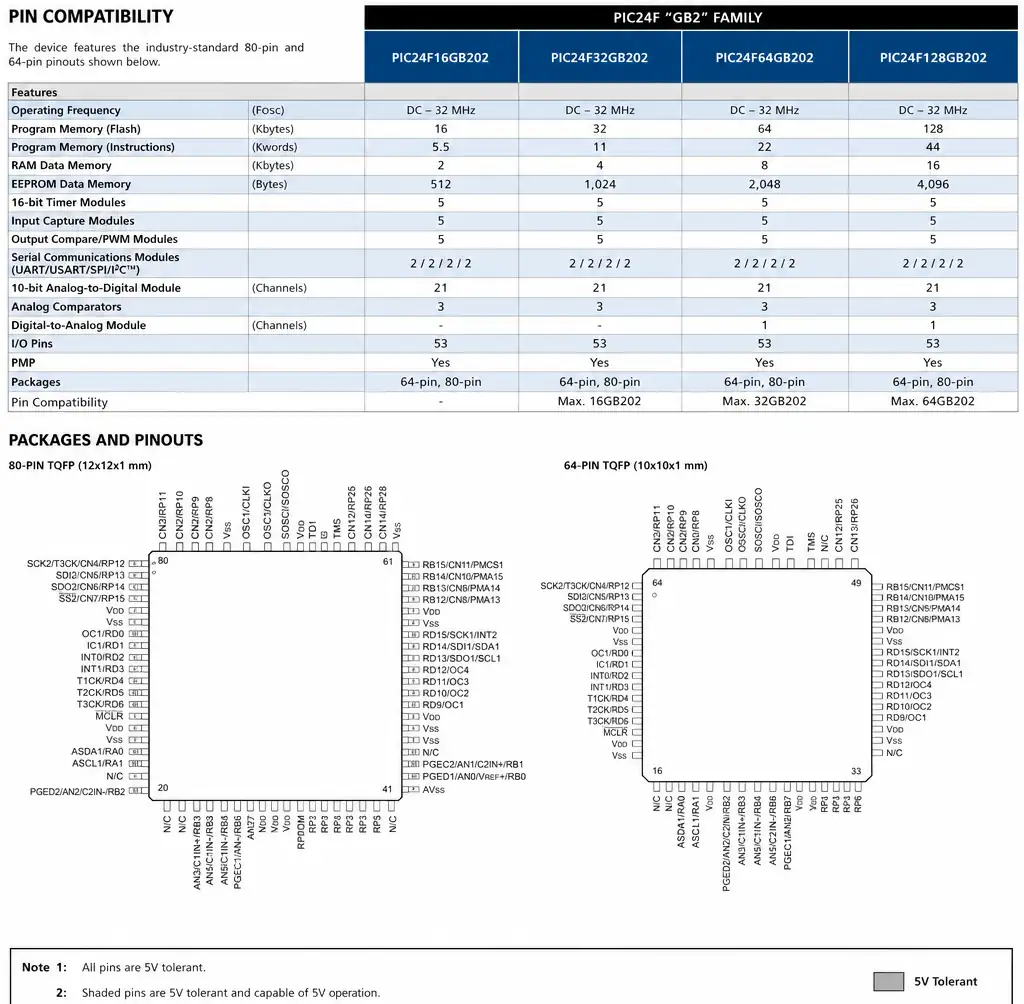
แผนภูมิความเข้ากันได้ของขาในตระกูลคอมโพเนนต์ที่แสดงเส้นทางการอัปเกรด
มาตรฐานตามกลุ่มชิ้นส่วนมากกว่าตัวเลขชิ้นส่วนเฉพาะเมื่อสมรรถนะเอื้ออํานวย การเลือกไมโครคอนโทรลเลอร์จากตระกูลที่รองรับขาสามารถย้ายไปยังหน่วยความจํารุ่นสูงได้ในอนาคตโดยไม่ต้องเปลี่ยน PCB
7. คําถามที่พบบ่อย
ความแตกต่างระหว่างสถานะ NRND กับ EOL คืออะไร?
NRND (ไม่แนะนําสําหรับการออกแบบใหม่) หมายความว่าผู้ผลิตยังคงผลิตชิ้นส่วนนั้นอยู่ แต่ไม่สนับสนุนการผลิตใหม่ในการออกแบบใหม่ ซึ่งบ่งชี้ถึงการยุติการผลิตในอนาคตโดยปกติภายใน 12-36 เดือน EOL (สิ้นสุดอายุการใช้งาน) ประกาศหยุดการผลิตอย่างถาวร ซึ่งจะมีช่วงเวลาซื้อครั้งสุดท้าย 6-12 เดือนก่อนที่จะไม่สามารถจําหน่ายผ่านช่องทางที่ได้รับอนุญาต
เราสามารถใช้ชิ้นส่วนหลังจากหมดอายุผ่านแหล่งหลังการขายได้ไหม?
แหล่งอะไหล่หลังการขายมีสต็อกชิ้นส่วนหมดอายุ แต่ราคาพรีเมียมอยู่ที่ 50-200% พร้อมความเสี่ยงจากการปนเปื้อนของปลอม วิธีนี้ใช้ได้กับความต้องการอะไหล่ในบริการที่จํากัด (ต่ํากว่า 500 คันต่อปี) แต่พิสูจน์แล้วว่าไม่ยั่งยืนสําหรับการผลิตต่อเนื่อง ตรวจสอบเอกสารการตรวจสอบย้อนกลับเสมอและดําเนินการตรวจสอบสินค้าที่เข้ามาสําหรับการซื้อหลังการขาย
ข้อกําหนดการตรวจสอบ PCN แตกต่างกันอย่างไรในแต่ละอุตสาหกรรม?
ผู้ผลิตอุปกรณ์การแพทย์ภายใต้ ISO 13485 ต้องติดตาม PCN ทั้งหมดที่มีผลกระทบต่อไฟล์ประวัติการออกแบบและประเมินความต้องการในการส่งซ้ําตามกฎระเบียบ ซัพพลายเออร์ยานยนต์ภายใต้ IATF 16949 จะประเมิน PCN ตามเอกสาร PPAP อิเล็กทรอนิกส์อุตสาหกรรมและพาณิชย์มักเน้นการเปลี่ยนแปลงรูปแบบและฟังก์ชัน ในขณะที่ปฏิบัติต่อ PCN ทางการบริหารเป็นเพียงการอัปเดตเอกสารเท่านั้น
8. บทสรุป
การจัดการวงจรชีวิตชิ้นส่วนอย่างมีประสิทธิภาพจะเปลี่ยนความล้าสมัยจากวิกฤตซ้ํา ๆ ให้กลายเป็นกระบวนการธุรกิจที่มีการจัดการ แนวปฏิบัติการออกแบบเชิงรุก การตรวจสอบ PCN อย่างเป็นระบบ การตัดสินใจซื้อครั้งสุดท้ายอย่างมีคํานวณ และการเริ่มต้นออกแบบใหม่อย่างทันท่วงที ทํางานร่วมกันเพื่อปกป้องความต่อเนื่องของการผลิตตลอดวงจรชีวิตผลิตภัณฑ์ที่ยาวนานหลายสิบปี
สําหรับการสนับสนุนตลอดอายุการใช้งานอย่างครบวงจร รวมถึงการตรวจสอบ PCN การรับรองชิ้นส่วนทางเลือก และการประสานงานการซื้อครั้งสุดท้าย สามารถสํารวจบริการบริหารจัดการวงจรชีวิตผลิตภัณฑ์ของ Hitop Tech Limited (/productLifecycle.html) ทีมจัดซื้อ ของเราดูแลฐานข้อมูลตลอดอายุการใช้งานครอบคลุมชิ้นส่วนกว่า 500,000+ ชิ้น พร้อมระบบเตือนภัยล่วงหน้าที่แจ้งเตือนความเสี่ยงการล้าสมัยล่วงหน้า 12-24 เดือนก่อนประกาศ EOL อย่างเป็นทางการ ติดต่อเรา เพื่อพูดคุยเกี่ยวกับกลยุทธ์วงจรชีวิตสําหรับพอร์ตโฟลิโอผลิตภัณฑ์เฉพาะของคุณ