




คู่มือการเลือกโมดูลไร้สาย: Wi-Fi, Bluetooth, LoRa และเซลลูลาร์
การเลือกโมดูลไร้สายสําหรับอุปกรณ์ IoT ต้องมีการปรับสมดุลระหว่างระยะทาง การใช้พลังงาน อัตราการส่งข้อมูล และต้นทุนรวมของระบบ ในปี 2026 Wi-Fi 6E, Bluetooth 5.4, LoRaWAN และเซลลูลาร์ (LTE Cat-M1/NB-IoT) ครองตลาด โดยแต่ละแบบถูกปรับแต่งให้เหมาะกับการใช้งานที่แตกต่างกัน ข้อมูลภาคสนามจากการติดตั้งในอุตสาหกรรมกว่า 850+ ครั้งเผยให้เห็นว่า 38% ของความล้มเหลวในการเชื่อมต่อเกิดจากความไม่ตรงกันของโปรโตคอลมากกว่าข้อบกพร่องของฮาร์ดแวร์ ทําให้การเลือกเทคโนโลยีอย่างมีข้อมูลเป็นสิ่งสําคัญก่อนเข้าสู่การผลิต
สารบัญ
- [การเลือกเทคโนโลยีตามข้อกําหนดการสมัคร] (การเลือก #technology)
- ระยะทางเทียบกับกําลัง: สมรรถนะในสนามจริง
- [ข้อจํากัดด้านการส่งข้อมูลและโปรโตคอล] (#data-throughput)
- ค่าใช้จ่ายและระยะเวลาการรับรอง
- [การวิเคราะห์ต้นทุนการเป็นเจ้าของรวม] (#total-ต้นทุนการเป็นเจ้าของ)
- คําถามที่พบบ่อย
- บทสรุป
1. การเลือกเทคโนโลยีตามข้อกําหนดของแอปพลิเคชัน
การเลือกโปรโตคอลเริ่มต้นด้วยการจับคู่ข้อจํากัดทางเทคโนโลยีให้ตรงกับความต้องการของแอปพลิเคชัน เทคโนโลยีไร้สายแต่ละแบบแก้ปัญหาที่แตกต่างกันและล้มเหลวเมื่อใช้งานนอกกรอบการออกแบบ
Wi-Fi 6E ทํางานบนย่านความถี่ 2.4/5/6 GHz ให้ความเร็วทฤษฎี 600-1200 Mbps (150-400 Mbps ในสภาพแวดล้อมอุตสาหกรรม) กําลังไฟฟ้าแอคทีฟ: 80-180 mA, ประหยัดพลังงาน: 3-8 mA ส่วนหัวของสมาคมใช้พลังงาน 400-600 mA·s ต่อรอบ จํากัดการใช้งานแบตเตอรี่ไว้ที่ 4-8 เดือน เหมาะสําหรับการอัปเดตเฟิร์มแวร์ที่มีขนาดเกิน 10 MB, การสตรีมวิดีโอ หรือแอปพลิเคชันที่มีแบนด์วิดท์สูงบนเครือข่ายที่มีอยู่
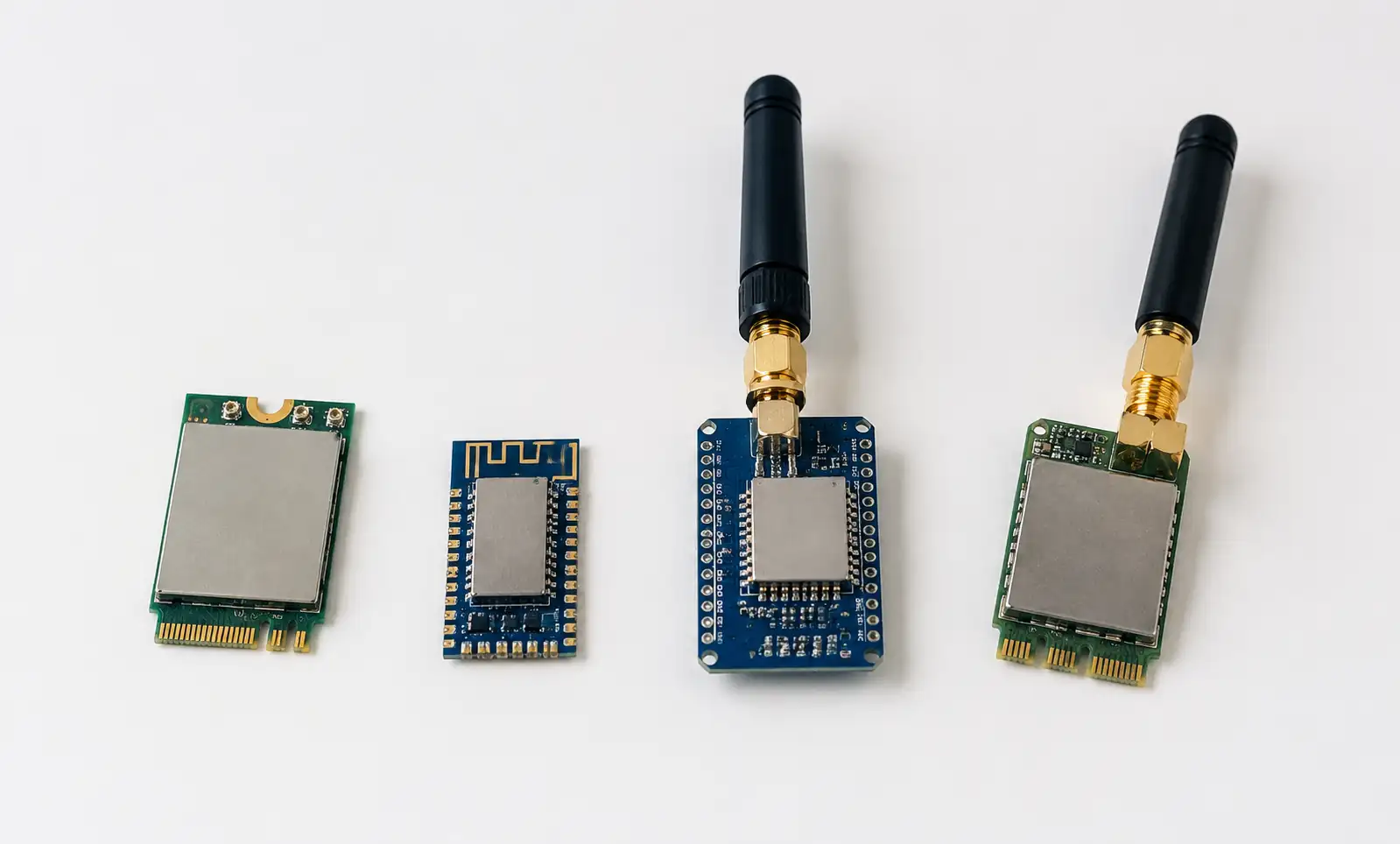 โมดูล IoT ไร้สาย 4 โมดูล Wi-Fi Bluetooth LoRa เซลลูลาร์วางบนโต๊ะทํางาน
Bluetooth 5.4 เพิ่ม PAwR ช่วยลดภาระการเชื่อมต่อลง 35% เมื่อเทียบกับ 5.3% ทํางานที่ 2.4 GHz ด้วยความเร็วสูงสุด 2 Mbps BLE ใช้พลังงาน 6-10 mA แบบแอคทีฟและต่ํากว่า 2 μA ขณะสลีป Channel Sounding ช่วยให้สามารถวัดระยะได้ต่ํากว่าเมตรโดยไม่ต้องใช้ GPS อย่างไรก็ตาม ภาระโหลดสูงสุด 244 ไบต์จํากัดอัตราการส่งข้อมูล—10 KB ต้องการแพ็กเก็ต 45+ แพ็กเก็ต เหมาะสําหรับอุปกรณ์สวมใส่ อุปกรณ์ทางการแพทย์ และผลิตภัณฑ์ที่เชื่อมต่อสมาร์ทโฟน
โมดูล IoT ไร้สาย 4 โมดูล Wi-Fi Bluetooth LoRa เซลลูลาร์วางบนโต๊ะทํางาน
Bluetooth 5.4 เพิ่ม PAwR ช่วยลดภาระการเชื่อมต่อลง 35% เมื่อเทียบกับ 5.3% ทํางานที่ 2.4 GHz ด้วยความเร็วสูงสุด 2 Mbps BLE ใช้พลังงาน 6-10 mA แบบแอคทีฟและต่ํากว่า 2 μA ขณะสลีป Channel Sounding ช่วยให้สามารถวัดระยะได้ต่ํากว่าเมตรโดยไม่ต้องใช้ GPS อย่างไรก็ตาม ภาระโหลดสูงสุด 244 ไบต์จํากัดอัตราการส่งข้อมูล—10 KB ต้องการแพ็กเก็ต 45+ แพ็กเก็ต เหมาะสําหรับอุปกรณ์สวมใส่ อุปกรณ์ทางการแพทย์ และผลิตภัณฑ์ที่เชื่อมต่อสมาร์ทโฟน
LoRaWAN ทํางานในย่าน ISM ต่ํากว่า GHz (863-870 MHz EU, 902-928 MHz US) โดย SF7-SF12 ให้ความเร็ว 0.3-5.5 kbps การส่งกําลังจริงจะสามารถทําระยะทางชนบท 8-12 กม. และในเมือง 2-4 กม. ที่ SF12 SF12 ใช้พลังงานมากกว่า SF7 ถึง 16× ขีดจํากัดรอบการทํางานในยุโรป: 1% (36 วินาที/ชั่วโมง) เหมาะสําหรับการโทรเมทรีเซ็นเซอร์ที่ไม่บ่อยนักข้ามระยะทางหลายกิโลเมตรโดยไม่มีโครงสร้างพื้นฐานเดิม
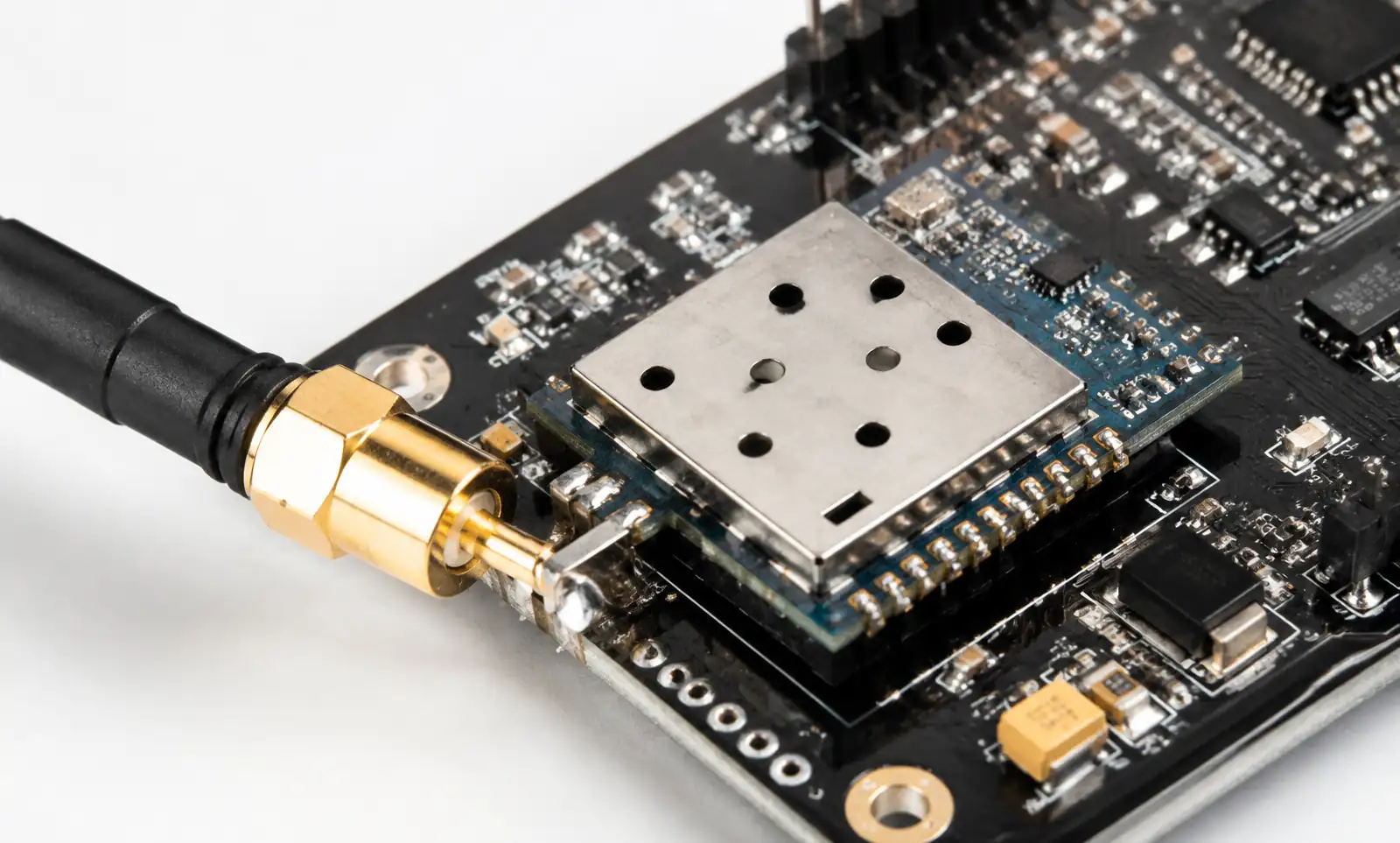 โมดูลไร้สาย LoRa พร้อมขั้วต่อเสาอากาศภายนอกบนแผงวงจร
LTE Cat-M1 และ NB-IoT ใช้เครือข่ายเซลลูลาร์ Cat-M1: uplink 375 kbps พร้อมความคล่องตัว NB-IoT: uplink 60 kbps, เจาะลึกภายในอาคารดีขึ้น 20 dB ทั้งสองใช้พลังงาน 150-250 mA ในช่วงการระเบิด และ 3-7 μA ใน PSM ความหน่วงของ Cat-M1: 50-100 ms; NB-IoT: 1.5-10 วินาที เลือกใช้บริการมือถือสําหรับครอบคลุมทั่วประเทศ โดยรับค่าบริการต่ออุปกรณ์ปีละ $1.50-10
โมดูลไร้สาย LoRa พร้อมขั้วต่อเสาอากาศภายนอกบนแผงวงจร
LTE Cat-M1 และ NB-IoT ใช้เครือข่ายเซลลูลาร์ Cat-M1: uplink 375 kbps พร้อมความคล่องตัว NB-IoT: uplink 60 kbps, เจาะลึกภายในอาคารดีขึ้น 20 dB ทั้งสองใช้พลังงาน 150-250 mA ในช่วงการระเบิด และ 3-7 μA ใน PSM ความหน่วงของ Cat-M1: 50-100 ms; NB-IoT: 1.5-10 วินาที เลือกใช้บริการมือถือสําหรับครอบคลุมทั่วประเทศ โดยรับค่าบริการต่ออุปกรณ์ปีละ $1.50-10
2. ระยะทางเทียบกับกําลัง: ประสิทธิภาพในสนามจริง
การวิเคราะห์การติดตั้ง IoT จํานวน 850+ ครั้งในปี 2025-2026 เผยให้เห็นประสิทธิภาพที่แท้จริงซึ่งแตกต่างจากแผ่นข้อมูลของผู้ขายในสภาพแวดล้อมเมืองถึง 40-60%
| เทคโนโลยี | สนามฝึกฝน (ในเมือง) | สนามฝึก (ชนบท) | ปัจจุบันในเท็กซัส | กระแสการพัก | อายุการใช้งานแบตเตอรี่ (3000mAh, 20 msgs/วัน) |
|---|---|---|---|---|---|
| BLE 5.4 (1 Mbps) | 50-120 เมตร | 100-300 เมตร | 7-11 mA | 1.8 μA | 4-6 ปี |
| BLE 5.4 (รหัส PHY) | 80-200 เมตร | 250-600 เมตร | 12-18 mA | 1.8 μA | 2.5-4 ปี |
| Wi-Fi 6E (2.4 GHz) | 40-80 เมตร | 80-120 เมตร | 80-180 mA | 3-8 mA | 4-8 เดือน |
| LoRa SF7 (14 dBm) | 1.5-3 กม. | 4-8 กม. | 35-50 mA | 0.8 μA | 6-10 ปี |
| LoRa SF12 (20 dBm) | 2-5 กม. | 10-15 กม. | 110-140 mA | 0.8 μA | 3-5 ปี |
| LTE Cat-M1 | 2-8 กม. | 15-35 กม. | 150-220 mA | 4 μA | 3-6 ปี |
| NB-IoT | 3-12 กม. | 20-45 กม. | 180-280 mA | 3 μA | 4-8 ปี |
อาคารและการรบกวนคลื่นวิทยุช่วยลดระยะทางในเมืองลง 40-60% เมื่อเทียบกับสภาพชนบท บริษัทหนึ่งที่ติดตั้งมิเตอร์ LoRaWAN จํานวน 12,000 เครื่องพบว่าเซ็นเซอร์ SF12 ประสบความสําเร็จเพียง 65% ในการส่งข้อมูลขึ้นในหุบเขาเมือง ทําให้ต้องเว้นระยะห่างของเกตเวย์ 800 เมตร แทนที่จะเป็น 2 กิโลเมตรตามแผน ซึ่งทําให้ต้นทุนโครงสร้างพื้นฐานเพิ่มขึ้นเป็นสามเท่า
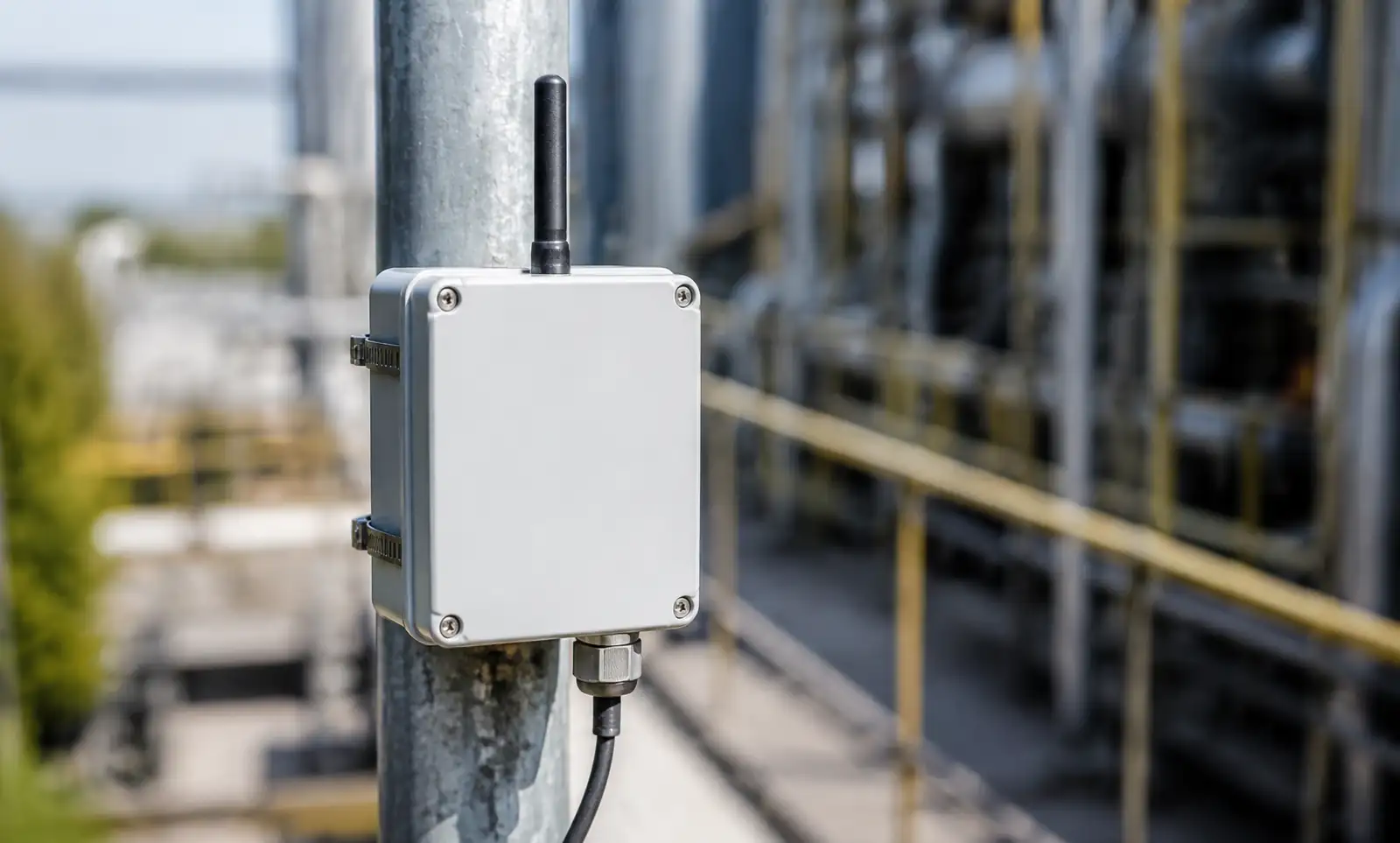 เซ็นเซอร์ IoT ที่ใช้แบตเตอรี่พร้อมโมดูลไร้สาย ติดตั้งในสภาพแวดล้อมอุตสาหกรรมกลางแจ้ง
กระแสสลีปมีบทบาทสําคัญในการใช้งานรอบการทํางานต่ํา อุปกรณ์ที่ส่งข้อมูล 20× ต่อวันจะอยู่ในโหมดสลีปถึง 99.97% ดังนั้น 5 μA เทียบกับ 1 μA จะลดอายุแบตเตอรี่ลง 80% การนอนภายใต้ 1 μA ของ LoRa ช่วยให้การทํางานได้นานถึงสิบปี ขณะที่เซลล์ที่ 3-5 μA จํากัดอายุการใช้งานไว้ที่ 3-8 ปี การเชื่อมต่อพลังงาน 450-650 mA·s ของ Wi-Fi เทียบกับ LoRa ที่มี 60-90 mA·s อธิบายได้ว่าทําไม Wi-Fi จึงใช้พลังงานถึง 82% ของค่าใช้จ่ายจากโปรโตคอล เทียบกับ LoRa ที่ 12%
เซ็นเซอร์ IoT ที่ใช้แบตเตอรี่พร้อมโมดูลไร้สาย ติดตั้งในสภาพแวดล้อมอุตสาหกรรมกลางแจ้ง
กระแสสลีปมีบทบาทสําคัญในการใช้งานรอบการทํางานต่ํา อุปกรณ์ที่ส่งข้อมูล 20× ต่อวันจะอยู่ในโหมดสลีปถึง 99.97% ดังนั้น 5 μA เทียบกับ 1 μA จะลดอายุแบตเตอรี่ลง 80% การนอนภายใต้ 1 μA ของ LoRa ช่วยให้การทํางานได้นานถึงสิบปี ขณะที่เซลล์ที่ 3-5 μA จํากัดอายุการใช้งานไว้ที่ 3-8 ปี การเชื่อมต่อพลังงาน 450-650 mA·s ของ Wi-Fi เทียบกับ LoRa ที่มี 60-90 mA·s อธิบายได้ว่าทําไม Wi-Fi จึงใช้พลังงานถึง 82% ของค่าใช้จ่ายจากโปรโตคอล เทียบกับ LoRa ที่ 12%
3. ข้อจํากัดด้านอัตราการส่งข้อมูลและโปรโตคอล
ข้อกําหนดข้อมูลแอปพลิเคชันช่วยขจัดเทคโนโลยีก่อนการวิเคราะห์พลังงาน การส่งข้อมูลไม่ตรงกับโปรโตคอลทําให้เกิดความล้มเหลวในขั้นตอนท้าย
| ประเภทการใช้งาน | ข้อมูลประจําวัน | ขนาดข้อความ | เทคโนโลยีที่แนะนํา | หลีกเลี่ยง |
|---|---|---|---|---|
| เซ็นเซอร์ความชื้นในดิน | 2-5 KB | 50-200 ไบต์ | LoRa, NB-IoT | Wi-Fi (พลังงาน), เซลลูลาร์ (มีค่าใช้จ่าย) |
| มิเตอร์ไฟฟ้าอัจฉริยะ | 5-20 KB | 500-2000 ไบต์ | LoRa, NB-IoT, Cat-M1 | Wi-Fi (พลังงาน), BLE (ระยะ) |
| การสั่นสะเทือนในอุตสาหกรรม | 50-200 KB | 5-20 KB | Wi-Fi, Cat-M1 | LoRa (แบนด์วิดท์), BLE (ปริมาณงาน) |
| ตัวติดตามสินทรัพย์ GPS | 5-15 KB | 100-300 ไบต์ | Cat-M1, NB-IoT | LoRa (ความคล่องตัว), BLE (ระยะทาง) |
| กล้องวงจรปิด | 50-500 MB | 1-10 MB | Wi-Fi, LTE Cat-M1 | LoRa, NB-IoT, BLE (ไม่เพียงพอ) |
| ฟิตเนสสวมใส่ได้ | 10-50 KB | 500-5000 ไบต์ | BLE 5.4 | LoRa (UX), เซลลูลาร์ (พลังงาน) |
ขีดจํากัดการใช้งาน LoRa ในยุโรป: 36 วินาที/ชั่วโมง/ช่องสัญญาณ ที่ SF12 ขนาด 50 ไบต์ใช้เวลา 2.1 วินาที จํากัด 17 ข้อความต่อชั่วโมง การใช้ 8 ช่องสัญญาณจะส่งข้อความได้ 136 ข้อความต่อชั่วโมง แต่ลิงก์ดาวน์ลิงก์จะใช้งบประมาณเพิ่มเติม เซ็นเซอร์จอดรถอัจฉริยะที่อัปเดตทุก 5 นาทีจะละเมิดข้อจํากัดที่ SF12 ซึ่งต้องใช้ SF7-9 หรือเพิ่มความหนาแน่นของเกตเวย์
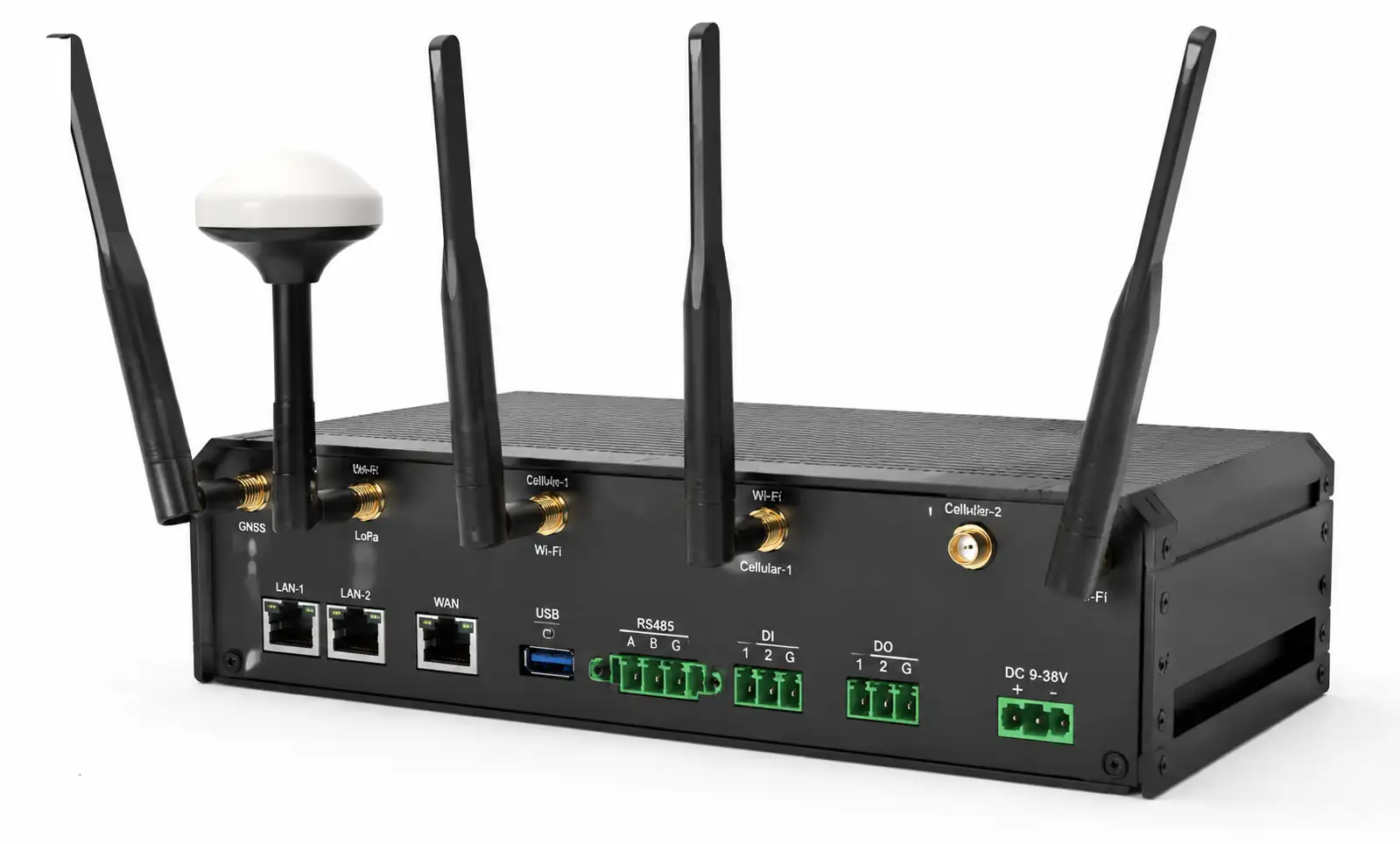 อุปกรณ์เกตเวย์ IoT ที่ติดตั้งโมดูลโปรโตคอลไร้สายหลายตัว
อัตรา non-eymmetric ของ NB-IoT (60 kbps อัปโหลด, 100 kbps ดาวน์) เหมาะกับเทเลเมทรีแต่ทําให้การอัปเดตเฟิร์มแวร์ซับซ้อนขึ้น การดาวน์โหลด 500 KB ใช้เวลาจริง 90-150 วินาที โดยใช้พลังงาน 4,500-6,250 mA·s ซึ่งเทียบเท่ากับการอ่านค่าเซ็นเซอร์ 50-75 ครั้ง
อุปกรณ์เกตเวย์ IoT ที่ติดตั้งโมดูลโปรโตคอลไร้สายหลายตัว
อัตรา non-eymmetric ของ NB-IoT (60 kbps อัปโหลด, 100 kbps ดาวน์) เหมาะกับเทเลเมทรีแต่ทําให้การอัปเดตเฟิร์มแวร์ซับซ้อนขึ้น การดาวน์โหลด 500 KB ใช้เวลาจริง 90-150 วินาที โดยใช้พลังงาน 4,500-6,250 mA·s ซึ่งเทียบเท่ากับการอ่านค่าเซ็นเซอร์ 50-75 ครั้ง
4. ค่าใช้จ่ายและระยะเวลาการรับรอง
การรับรอง RF มักจะเกินความพยายามในการพัฒนาทางเทคนิค โมดูลที่ได้รับการรับรองล่วงหน้าช่วยลดแต่ไม่ได้ทําให้การปฏิบัติตามข้อกําหนดหมดไป—การเปลี่ยนประเภทเสาอากาศจะกระตุ้นให้เกิดการรับรองใหม่
| ประเภทการรับรอง | ค่าใช้จ่าย (โมดูลเตรียมสอบ) | ราคา (สั่งทําเอง) | ไทม์ไลน์ | ตลาด |
|---|---|---|---|---|
| FCC ภาค 15C (ตั้งใจ) | $0 (ผู้ขาย) | $12,000-25,000 | 8-12 สัปดาห์ | สหรัฐอเมริกา |
| FCC Part 15B (โดยไม่ได้ตั้งใจ) | $2,500-5,000 | $3,500-7,000 | 4-6 วัน | สหรัฐอเมริกา |
| CE RED (วิทยุ) | $0 (ผู้ขาย) | $15,000-30,000 | 10-14 สัปดาห์ | EU |
| CE EMC | $3,500-7,000 | $5,000-10,000 | 5-8 วัน | EU |
| PTCRB/GCF (เซลลูลาร์) | $0-15,000 | $25,000-45,000 | 10-16 สัปดาห์ | เซลลูลาร์ |
| ผู้ให้บริการ (AT&T, Verizon) | $6,000-25,000 ต่อชิ้น | $15,000-40,000 ต่อชิ้น | 12-20 สัปดาห์ | ต่อผู้ให้บริการ |
ต้องมีใบรับรอง PTCRB/GCF จากนั้นจึงได้รับการอนุมัติจากผู้ให้บริการรายบุคคล ยอดรวมสําหรับสายการบินสหรัฐฯ สามราย: $20,000-75,000 บริษัทหนึ่งเปลี่ยนจากเสาอากาศ 2 dBi เป็น 3 dBi ในช่วงท้ายของการพัฒนา ทําให้การรับรองใหม่ล่าช้าการปล่อย 4 เดือน เพิ่มเงินอีก 12,000 ดอลลาร์
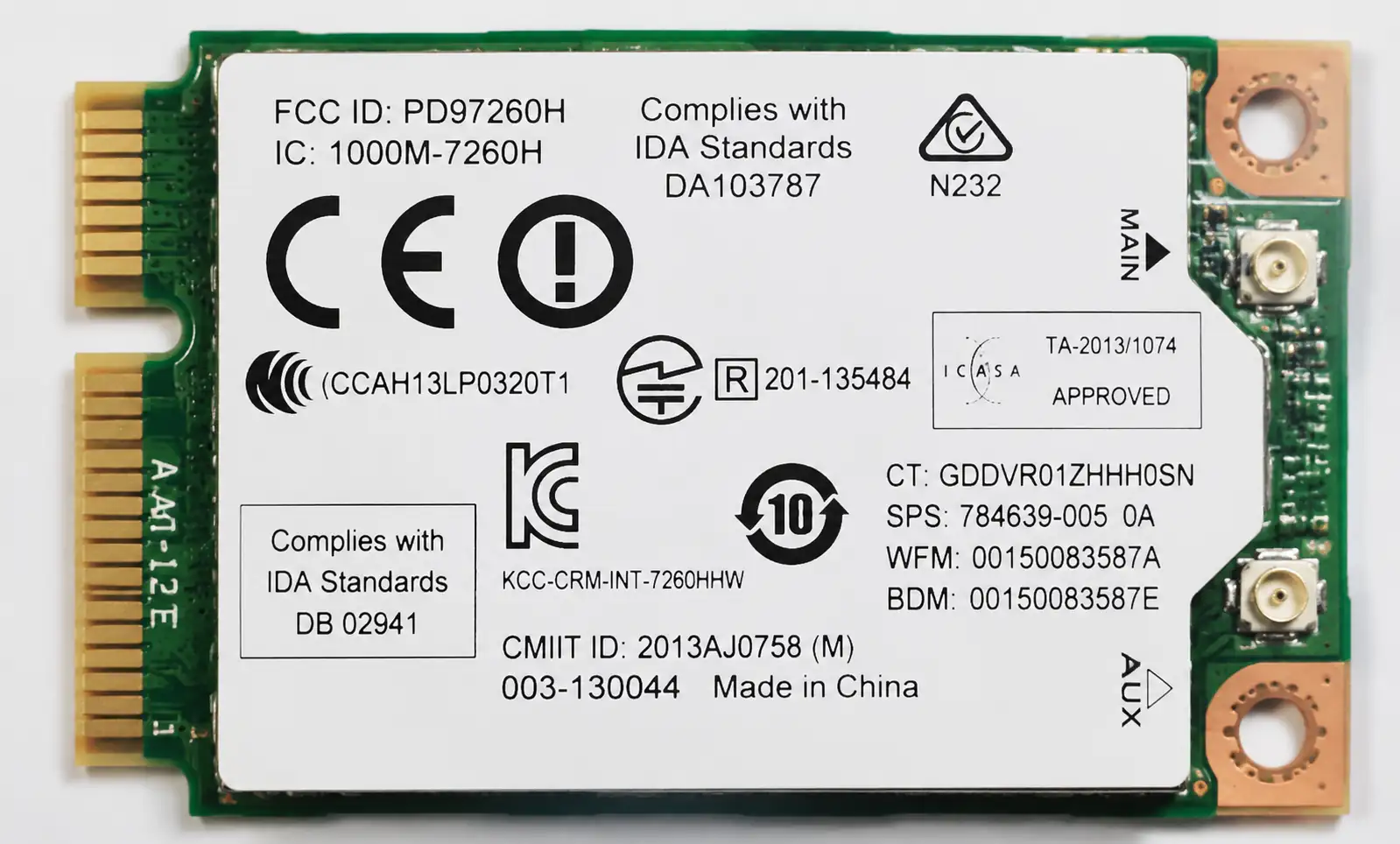 โมดูลไร้สายพร้อมเครื่องหมายรับรอง FCC และ CE บนแผงวงจร PCB
เซลล์มือถือเผชิญกับภาระสูงสุด นอกเหนือจาก FCC/CE อุปกรณ์
การรับรอง LoRaWAN Alliance มีค่าใช้จ่าย $2,500-5,000 (4-6 สัปดาห์) แต่ยังคงเป็นทางเลือกสําหรับเครือข่ายส่วนตัว เครือข่ายสาธารณะมักบังคับให้มีการรับรอง
โมดูลไร้สายพร้อมเครื่องหมายรับรอง FCC และ CE บนแผงวงจร PCB
เซลล์มือถือเผชิญกับภาระสูงสุด นอกเหนือจาก FCC/CE อุปกรณ์
การรับรอง LoRaWAN Alliance มีค่าใช้จ่าย $2,500-5,000 (4-6 สัปดาห์) แต่ยังคงเป็นทางเลือกสําหรับเครือข่ายส่วนตัว เครือข่ายสาธารณะมักบังคับให้มีการรับรอง
5. การวิเคราะห์ต้นทุนรวมของการเป็นเจ้าของ
ต้นทุนต่อหน่วยโมดูลคิดเป็น 15-35% ของต้นทุนการเชื่อมต่อทั้งหมดในช่วง 5 ปีที่ใช้งาน โครงสร้างพื้นฐานของเกตเวย์ ค่าธรรมเนียมที่เกิดขึ้นซ้ํา ความซับซ้อนของการรวมระบบ และความเสี่ยงตลอดอายุการใช้งาน เป็นปัจจัยหลักในการคํานวณ TCO
| เทคโนโลยี | ต้นทุนโมดูล (1K จํานวน) | ต้นทุนเกตเวย์ | ค่าธรรมเนียมการเชื่อมต่อรายปี | TCO 5 ปี (1000 อุปกรณ์) | เศรษฐศาสตร์การปรับขนาด |
|---|---|---|---|---|---|
| BLE 5.4 | $2.50-7 | $80-250 (เกตเวย์) | $0 | $82,500-257,000 | ต้นทุนเกตเวย์คงที่ |
| Wi-Fi 6E | $4-10 | $300-1,200 (AP อุตสาหกรรม) | $0 (ท้องถิ่น) | $304,000-1,210,000 | โครงสร้างพื้นฐานแบบถาวร |
| LoRa (ส่วนตัว) | $5-14 | $250-800 ต่อเกตเวย์ | $0 | $255,000-814,000 | คุ้มค่า ~400 อุปกรณ์/เกตเวย์ |
| LoRaWAN (สาธารณะ) | $5-14 | $0 (สาธารณะ) | $1.20-4/อุปกรณ์/ปี | $11,000-34,000 | การปรับขนาดแบบเชิงเส้น |
| LTE Cat-M1 | $12-28 | $0 (ผู้ให้บริการ) | $2.50-10/อุปกรณ์/ปี | $24,500-78,000 | การปรับขนาดแบบเชิงเส้น |
| NB-IoT | $14-32 | $0 (ผู้ให้บริการ) | $1.50-7/อุปกรณ์/ปี | $21,500-67,000 | การปรับขนาดแบบเชิงเส้น |
การคํานวณสมมติว่ามีเพย์โหลดขนาด 100 ไบต์ถูกส่ง 20× วันโดยไม่มีข้อมูลเกิน ต้นทุนโครงสร้างพื้นฐาน LoRa สร้างจุดคุ้มทุนประมาณ 300-600 อุปกรณ์ ขึ้นอยู่กับพื้นที่ครอบคลุม ขณะที่เซลลูลาร์จะขยายตัวตามจํานวนอุปกรณ์แบบเส้นตรง
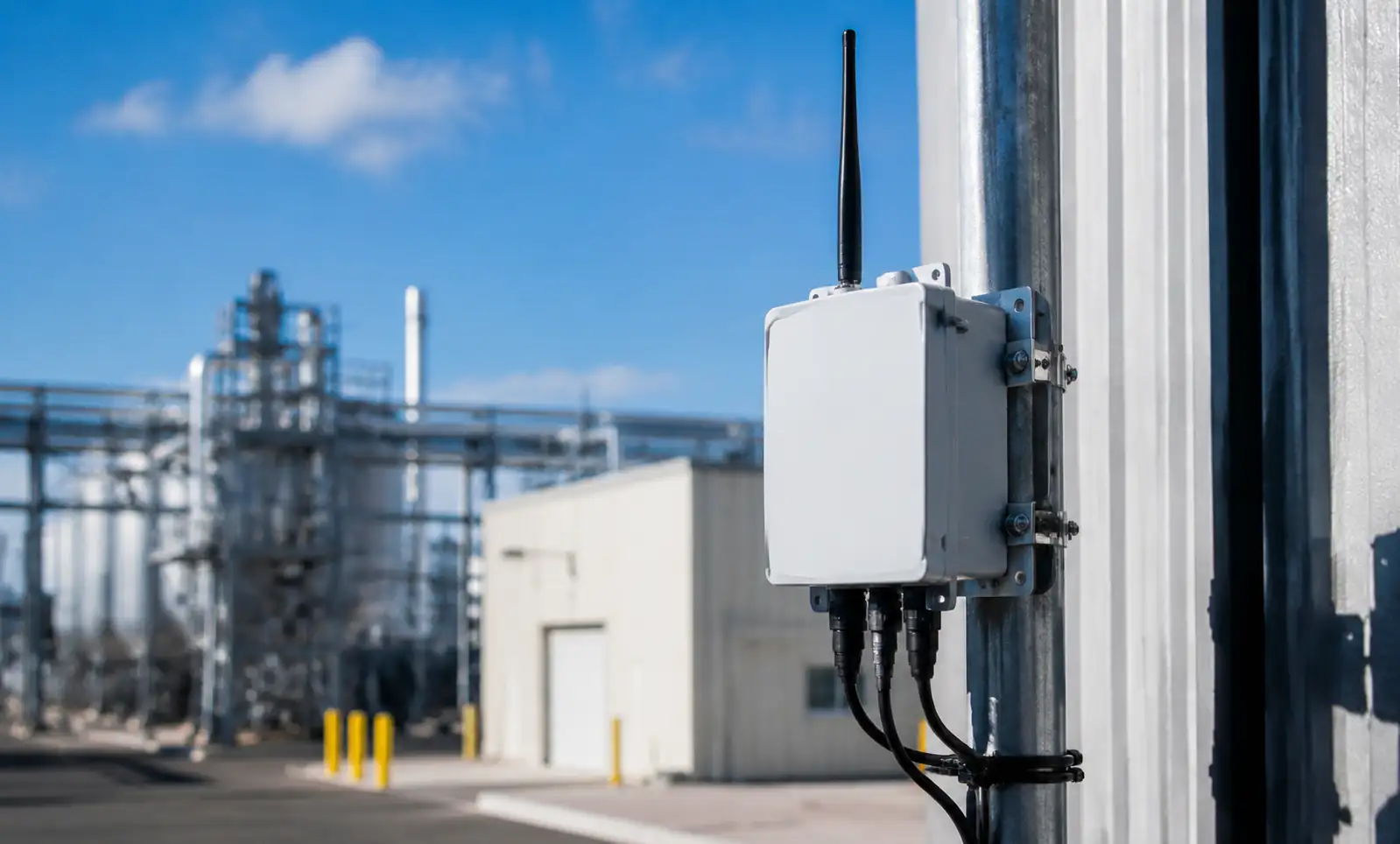
เกตเวย์ LoRa ติดตั้งในโรงงานอุตสาหกรรมพร้อมเสาอากาศภายนอก เศรษฐศาสตร์เกตเวย์สําหรับ LoRa ต้องการการวิเคราะห์อย่างละเอียด เกตเวย์ 8 ช่องสัญญาณเดี่ยวครอบคลุมรัศมี 2-4 กิโลเมตรในเมืองที่ SF9-10 รองรับอุปกรณ์ 1,000-3,000 เครื่อง โดยมีรอบการทํางาน 1% ก่อนที่การสูญเสียจากการชนจะเกิน 5% การติดตั้งอุปกรณ์ 1,000 เครื่อง ต้องใช้เกตเวย์ 1-2 เครื่อง ($300-1,600) บวกกับการติดตั้ง ($500-2,000 ต่อเครื่อง) อย่างไรก็ตาม ความน่าเชื่อถือของการเชื่อมต่อขึ้นถึง 99.5% ต้องการความครอบคลุมเกตเวย์ 2× (ความซ้ําซ้อน) ซึ่งทําให้ต้นทุนโครงสร้างพื้นฐานเพิ่มขึ้นเป็นสองเท่า สําหรับอุปกรณ์ 5,000 เครื่องในนิคมอุตสาหกรรมขนาด 20 ตารางกิโลเมตร คาดว่าจะมีเกตเวย์ 8-12 เครื่อง พร้อมการครอบคลุมสองระบบ รวมฮาร์ดแวร์ $12,000-28,000 พร้อมค่าติดตั้งและแบ็คฮอลล์ $15,000-40,000
แผนข้อมูลเซลลูลาร์ซ่อนค่าใช้จ่ายในรายละเอียดโครงสร้าง แผน "จ่ายตามการใช้งาน" ดูน่าสนใจที่ $0.05-0.15/MB แต่บั๊กเฟิร์มแวร์ที่ทําให้เกิดวงจรการส่งข้อมูลจะสร้างค่าใช้จ่ายเกิน $50-500 ต่ออุปกรณ์ก่อนถูกตรวจจับ แผนแบบคงที่ ($2-10/อุปกรณ์/เดือน) ให้ความแน่นอนด้านงบประมาณ แต่โดยทั่วไปจะมีเพียง 5-50 MB/เดือน—เพียงพอสําหรับการโทรมาตร แต่ไม่เพียงพอสําหรับการวินิจฉัยหรือการเปลี่ยนแปลงการตั้งค่าบ่อยครั้ง แผนเติมเงินหลายปีช่วยลดต้นทุนต่อเดือนลง 30-50% แต่ล็อกการวางแผนความจุล่วงหน้าหลายปี ซึ่งเสี่ยงต่อการสูญเสียหากการติดตั้งช้ากว่าที่คาดการณ์ไว้
โมดูล LTE เซลลูลาร์ IoT พร้อมช่องใส่ซิมการ์ดและการเชื่อมต่อเสาอากาศ วงจรชีวิตของชิ้นส่วนสร้างต้นทุนการออกแบบใหม่ที่ซ่อนอยู่ โมดูลเซลลูลาร์มีอายุการใช้งาน 7-10 ปี แต่จะล้าสมัยเมื่อผู้ให้บริการเลิกใช้เครือข่ายรุ่นต่าง ๆ—Verizon และ AT&T ปิดระบบ 3G ในปี 2022-2024 ทําให้อุปกรณ์หลายพันเครื่องต้องหยุดใช้งาน โมดูล LTE Cat-1 รุ่นแรก ๆ ก็เผชิญกับการเลิกใช้ในลักษณะเดียวกัน เนื่องจากผู้ให้บริการเครือข่ายเปลี่ยนคลื่นความถี่เป็น 5G โมดูล BLE และ Wi-Fi จะดําเนินตามวงจรชีวิตของชิปเซ็ตสมาร์ทโฟน (5-7 ปี) โมดูล LoRa รักษาความพร้อมใช้งาน 10+ ปีจากผู้ผลิตหลายรายเนื่องจากข้อกําหนดที่เสถียร สําหรับการติดตั้งในอุตสาหกรรมที่ต้องการการสนับสนุนอะไหล่เป็นเวลา 15-20 ปี LoRa ให้ความเสี่ยงระยะยาวต่ําที่สุด
6. คําถามที่พบบ่อย
ฉันจะเลือกระหว่าง LoRa และ NB-IoT สําหรับการติดตั้งเซ็นเซอร์กลางแจ้ง 10 ปีได้อย่างไร?
เลือก LoRa เมื่อคุณควบคุมไซต์และสามารถติดตั้งเกตเวย์ได้—ไม่ว่าจะเป็นวิทยาเขต ที่ดินเกษตรกรรม หรือโครงสร้างพื้นฐานของเทศบาล การนอนหลับต่ํากว่า 1 μA ของ LoRa ช่วยให้แบตเตอรี่ใช้งานได้นานถึง 10 ปีจริง ๆ ด้วยเซลล์ลิเธียม AA 3× ก้อน เลือก NB-IoT สําหรับการติดตั้งแบบกระจายตัวโดยไม่มีโครงสร้างพื้นฐานหรืออุปกรณ์เคลื่อนที่ อย่างไรก็ตาม การนอนหลับ 3-5 μA ของ NB-IoT จํากัดอายุการใช้งานแบตเตอรี่ไว้ที่ 5-8 ปีภายใต้รอบการทํางานที่เทียบเท่ากัน โดยต้องเปลี่ยนแบตเตอรี่ทุก 8 ปี หรือใช้พลังงานแสงอาทิตย์เพื่อการใช้งานนานถึงสิบปี
ฟีเจอร์ประหยัดพลังงานของ Wi-Fi 6E จะทําให้เหมาะกับเซ็นเซอร์ที่ใช้แบตเตอรี่หรือไม่?
ไม่ Wi-Fi 6E มี Target Wake Time (TWT) ลดพลังงานขณะว่าง แต่ไม่สามารถแก้ปัญหาการใช้โปรโตคอลได้ แม้จะได้รับการปรับแต่งแล้ว Wi-Fi ก็ยังใช้พลังงาน 400-600 mA·s ต่อรอบการส่งข้อมูล เนื่องจากการเชื่อมต่อ, DHCP และการจับมือ TLS เซ็นเซอร์ที่ส่งข้อมูลทุก 15 นาที ใช้แบตเตอรี่ 3000 mAh ใน 6-10 เดือน Wi-Fi เหมาะสําหรับเซ็นเซอร์ที่ใช้พลังงานแสงอาทิตย์หรืออุปกรณ์ที่เชื่อมต่อไฟฟ้าหลักเท่านั้น ข้อยกเว้น: กล้องที่ถูกกระตุ้นโดยเหตุการณ์ซึ่งแบนด์วิดท์สูงทําให้ต้องชาร์จบ่อยหรือใช้สาย
อัตราความสําเร็จของข้อความ LoRaWAN ในโลกจริงเมื่อขยายขนาดคืออะไร?
ความน่าจะเป็นการชนของ LoRaWAN จะเพิ่มขึ้นตามความหนาแน่นของเครือข่าย ที่ 1,000 อุปกรณ์ต่อเกตเวย์ส่งแบบสุ่มด้วยรอบการทํางาน 1% อัตราการส่งแพ็กเก็ตเกิน 98% เมื่อมีอุปกรณ์เกิน 3,000 เครื่อง การชนกันจะลด PDR เหลือ 88-93% หากไม่มีการประสานงาน ติดตั้ง Adaptive Data Rate (ADR) โดยใช้ปัจจัยการแพร่กระจายที่ต่ําลงเมื่อสัญญาณอนุญาต และติดตั้งลิงก์อัปลิงก์ที่ยืนยันสําหรับข้อความสําคัญ สําหรับการติดตั้งที่มีอุปกรณ์เกิน 2,000 เครื่องต่อเกตเวย์ วางแผนความหนาแน่นเกตเวย์ 2× หรือย้ายไปใช้ NB-IoT ที่รองรับอุปกรณ์ 50,000+ อุปกรณ์ต่อเซลล์ด้วยความน่าเชื่อถือระดับผู้ให้บริการ
ฟีเจอร์ของ Bluetooth 5.4 คุ้มค่าที่จะอัปเกรดจาก 5.3 หรือไม่?
Periodic Advertising with Responses (PAwR) ของ BLE 5.4 ช่วยลดภาระการเชื่อมต่อลง 35% ในโทโพโลยีดาวที่มีเกตเวย์เดียวและเซ็นเซอร์จํานวนมาก ซึ่งเป็นเรื่องปกติในการตรวจสอบอุตสาหกรรมและอาคารอัจฉริยะ สําหรับเซ็นเซอร์ 50+ ตัวไปยังเกตเวย์เดียวที่มีข้อมูลอัปโหลดบ่อยครั้ง PAwR ช่วยปรับปรุงอายุการใช้งานแบตเตอรี่และลดภาระของเกตเวย์ สําหรับการเชื่อมต่อแบบจุดต่อจุดอย่างง่าย (สมาร์ทโฟนกับอุปกรณ์) BLE 5.3 ก็เพียงพอแล้ว Channel Sounding ช่วยให้สามารถวัดระยะย่อยได้โดยไม่ต้องใช้ GPS ซึ่งมีคุณค่าสําหรับการติดตามทรัพย์สิน แต่ต้องการความเข้าได้ของชิปเซ็ตเกตเวย์—ตรวจสอบการสนับสนุนก่อนตัดสินใจ
การรับรองผู้ให้บริการเครือข่ายมือถือแตกต่างกันอย่างไรในแต่ละภูมิภาค?
ผู้ให้บริการในอเมริกาเหนือ (AT&T, Verizon, T-Mobile) ต้องการโปรแกรมรับรองอิสระ โดยมีค่าธรรมเนียม 6,000-25,000 ดอลลาร์ต่อผู้ให้บริการ อุปกรณ์ต้องผ่านการรับรอง PTCRB (8,000-15,000 ดอลลาร์) ก่อน จากนั้นจึงผ่านการทดสอบเฉพาะผู้ให้บริการ ผู้ให้บริการในยุโรปโดยทั่วไปยอมรับการรับรอง GCF ($10,000-18,000) แต่ผู้ให้บริการอาจต้องการการทดสอบเพิ่มเติม ตลาดเอเชียมีความหลากหลาย—ญี่ปุ่นกําหนด JATE, จีนกําหนด SRRC/CCC, อินเดียกําหนด BIS สําหรับการติดตั้งทั่วโลก ควรจัดสรรงบประมาณ $45,000-120,000 สําหรับการรับรองเซลลูลาร์ในตลาดหลัก หรือเลือกโมดูลที่มีใบรับรองผู้ให้บริการที่เสร็จสมบูรณ์สําหรับภูมิภาคเป้าหมาย
ระบบส่งกําลัง LoRa แบบไหนที่สมดุลระหว่างระยะทางและอายุการใช้งานแบตเตอรี่?
ช่วงพลังงาน LoRa อยู่ที่ 2-20 dBm (1.6-100 mW) โดยการใช้กระแสไฟฟ้าจะปรับเป็นเชิงเส้น ที่ 14 dBm (ปกติ) การส่งข้อมูลจะดึงกระแส 35-50 mA ที่ 20 dBm (สูงสุด) จะอยู่ที่ 110-140 mA การเพิ่มจาก 14 dBm เป็น 20 dBm จะช่วยเพิ่มงบประมาณลิงก์ได้เพียง 6 dB—ขยายระยะทางประมาณ 2× พร้อมเพิ่มพลังงานต่อการส่งเป็นสองเท่า เริ่มทดสอบที่ 14 dBm และเพิ่มเฉพาะในตําแหน่งที่ล้มเหลว PDR ถึง 95% หลังจากการปรับแต่งปัจจัยการกระจาย การใช้ SF7 ที่ 17 dBm มักให้สมดุลระหว่างช่วงพลังงานที่ดีกว่า SF12 ที่ 14 dBm โดยใช้พลังงานต่ํากว่าถึง 40%
ฉันควรวางแผนขีดจํากัดรอบการทํางานของ LoRaWAN ในการมอนิเตอร์ความถี่สูงอย่างไร?
มาตรฐานยุโรป EN 300-220 จํากัดช่อง LoRaWAN ส่วนใหญ่ไว้ที่ 1% รอบการทํางาน (36 วินาที/ชั่วโมง) หรือ 10% สําหรับช่อง LBT (5.76 นาที/ชั่วโมง) สําหรับการมอนิเตอร์ที่ต้องการการอัปเดต 2-5 นาที (12-30 ข้อความ/ชั่วโมง) ให้คํานวณรอบการทํางานรวมถึงอัปโหลดและดาวน์โหลดลิงก์ การอัปโหลดขนาด 50 ไบต์ที่ SF9 ใช้เวลา 0.6 วินาที; ถ้าส่ง 30 ข้อความต่อชั่วโมง คุณจะใช้เวลา 18 วินาที (50% ของงบประมาณ) เหลือช่องว่างสําหรับดาวน์โหลดและลองใหม่ การเกินรอบการทํางานจะทําให้เกตเวย์ถูกขึ้นบัญชีดํา การลดผลกระทบ: ใช้ ADR เพื่อลดเวลาการออกอากาศ, อ่านข้อมูลหลายรายการต่ออัปลิงก์, ติดตั้งบนช่อง LBT หรือพิจารณาใช้ NB-IoT สําหรับแอปพลิเคชันที่ต้องการ >40 ข้อความ/ชั่วโมง
7. บทสรุป
การเลือกเทคโนโลยีไร้สายต้องการฟิสิกส์โปรโตคอลที่เหมาะสมกับความต้องการของแอปพลิเคชัน สําหรับเซ็นเซอร์ที่ใช้แบตเตอรี่และส่งสัญญาณไม่บ่อยนักข้ามกิโลเมตร การนอนหลับที่ต่ํากว่า 1 μA ของ LoRa ให้การทํางานได้นาน 8-10 ปี ซึ่ง Wi-Fi และ Bluetooth ไม่สามารถเทียบได้ ผลิตภัณฑ์สําหรับผู้บริโภคที่ต้องการการเชื่อมต่อสมาร์ทโฟนสนับสนุน BLE 5.4 ด้วยต้นทุนโครงสร้างพื้นฐานที่เป็นศูนย์และการสนับสนุนที่แพร่หลาย ระบบอุตสาหกรรมที่มีเครือข่ายและแบนด์วิดท์อยู่แล้วสามารถใช้ Wi-Fi 6E ได้แม้จะใช้พลังงานสูงกว่า การติดตามทรัพย์สินบนมือถือข้ามภูมิภาคต้องใช้การเชื่อมต่อเซลลูลาร์ โดยต้องยอมรับค่าใช้จ่ายซ้ํา ๆ สําหรับการครอบคลุมทั่วประเทศ
นอกเหนือจากข้อกําหนด ความซับซ้อนของการรับรองและต้นทุนรวมของระบบเป็นปัจจัยพื้นฐานที่กําหนดความเป็นไปได้ โมดูลที่ได้รับการรับรองล่วงหน้าช่วยลดต้นทุนการปฏิบัติตามข้อกําหนดได้ประมาณ $15,000-35,000 แต่ต้องปฏิบัติตามการออกแบบอ้างอิงอย่างเคร่งครัด โมดูลเซลลูลาร์เพิ่มการรับรองผู้ให้บริการและค่าธรรมเนียมรายปีต่ออุปกรณ์ $1.50-10 LoRa ต้องการโครงสร้างพื้นฐานเกตเวย์ที่มีอุปกรณ์ที่คุ้มทุนประมาณ 300-600 อุปกรณ์
สําหรับการติดตั้งใหม่ที่เริ่มในปี 2026 ให้ให้ความสําคัญกับความพร้อมใช้งานของชิ้นส่วนและตัวเลือกแหล่งที่สอง—เลือกโมดูลจากผู้ผลิตที่มุ่งมั่นจะผลิตในระยะเวลา 10+ ปี Hitop Tech Limited ให้บริการ บริการจัดซื้อจัดจ้างระดับโลก สําหรับ Wi-Fi, Bluetooth, LoRa และโมดูลเซลลูลาร์ พร้อมการสนับสนุนการคัดเลือกทางเทคนิคและ การเพิ่มประสิทธิภาพต้นทุน ขอใบเสนอราคา หรือสํารวจ แคตตาล็อกชิ้นส่วนอิเล็กทรอนิกส์ ของเราสําหรับความต้องการการเชื่อมต่อของคุณ